Understanding Watch-Only Wallets: A Comprehensive Guide for Bitcoin Users

Understanding Watch-Only Wallets: A Comprehensive Guide for Bitcoin Users
In the world of cryptocurrency, security and accessibility are paramount concerns for users. One tool that has gained significant attention among Bitcoin enthusiasts is the watch-only wallet. This specialized type of wallet offers unique advantages for monitoring cryptocurrency holdings without exposing private keys to potential security risks. Whether you're a seasoned Bitcoin investor or just beginning your cryptocurrency journey, understanding how watch-only wallets work can enhance your digital asset management strategy.
What Is a Watch-Only Wallet?
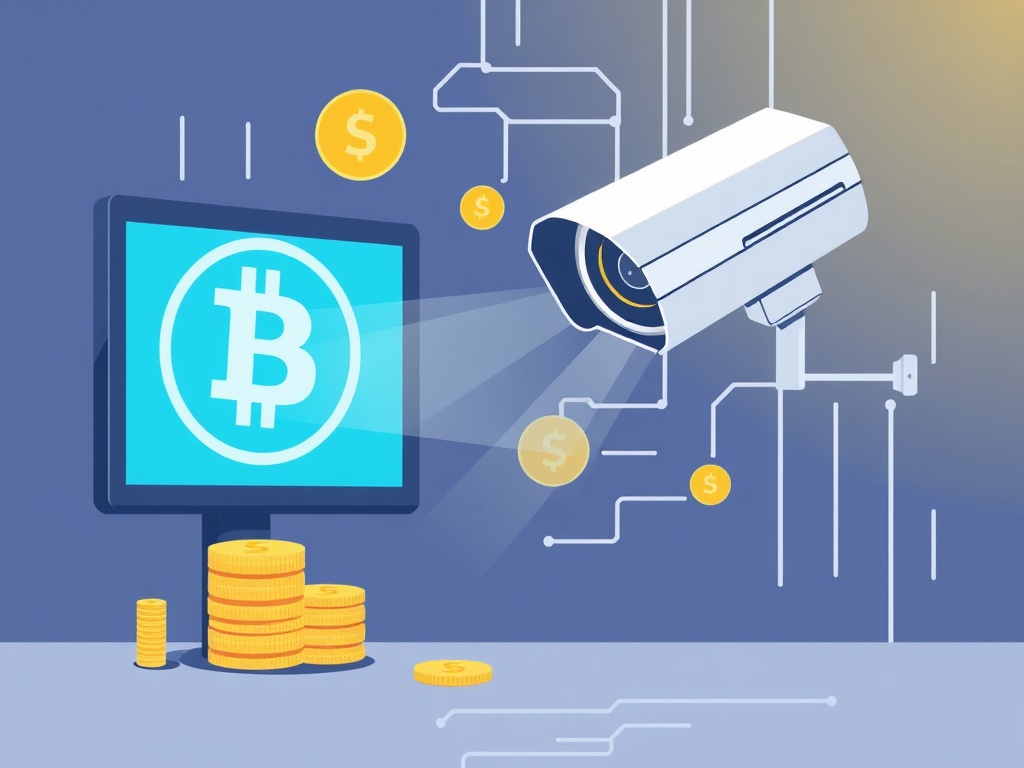
A watch-only wallet is a cryptocurrency wallet that allows users to monitor balances and transactions associated with a specific address or set of addresses without having the ability to spend or transfer funds. Unlike traditional wallets that store both public and private keys, a watch-only wallet contains only the public key information necessary to view transaction history and current balances.
The fundamental principle behind a watch-only wallet is that it provides visibility without vulnerability. Since the private keys remain stored elsewhere—typically in a more secure hardware wallet or offline storage—the watch-only wallet cannot initiate transactions. This separation of viewing capabilities from spending capabilities creates an additional layer of security for cryptocurrency holders.
How Watch-Only Wallets Function
Watch-only wallets operate by importing public key information into wallet software. When you add a watch-only address to your wallet, the software uses the public key to query the blockchain and retrieve all relevant transaction data. The wallet can then display your balance, incoming transactions, and outgoing transactions associated with that address.
The technical implementation varies depending on the wallet software, but the core concept remains consistent: public key data enables blockchain queries without requiring access to private keys. This architecture makes watch-only wallets particularly valuable for users who want to monitor multiple addresses or cold storage wallets without compromising security.
Key Benefits of Using a Watch-Only Wallet
Watch-only wallets offer several compelling advantages for cryptocurrency users. Understanding these benefits can help you determine whether incorporating a watch-only wallet into your security strategy makes sense for your specific needs.
Enhanced Security Through Key Separation
The primary benefit of a watch-only wallet is the enhanced security it provides through key separation. By keeping private keys in cold storage or hardware wallets while using watch-only wallets for monitoring, you significantly reduce the attack surface for potential hackers. Even if your watch-only wallet becomes compromised, attackers cannot access your funds without the corresponding private keys.
This security model is particularly valuable for users who need to check their balances frequently but want to minimize the time their private keys spend connected to internet-enabled devices. The watch-only approach allows you to satisfy your monitoring needs while maintaining strict control over your private keys.
Convenient Portfolio Monitoring
For cryptocurrency investors with multiple wallets or addresses, a watch-only wallet provides a convenient way to monitor your entire portfolio from a single interface. Rather than logging into multiple wallets or checking different addresses individually, you can import all your public keys into a single watch-only wallet application.
This consolidated view makes it easier to track your overall cryptocurrency holdings, monitor incoming transactions, and verify that all your addresses are functioning correctly. The convenience factor becomes especially apparent when managing cold storage wallets that you don't access frequently but still need to monitor.
Ideal for Business and Accounting Purposes
Businesses that accept cryptocurrency payments or maintain cryptocurrency reserves can benefit significantly from watch-only wallets. These wallets allow accounting departments to monitor incoming payments and track balances without requiring access to the private keys needed to move funds.
This separation of duties enhances internal controls and reduces the risk of unauthorized transactions. Finance teams can verify that payments have been received and balances are accurate while the actual spending authority remains with designated personnel who control the private keys.
Common Use Cases for Watch-Only Wallets
Watch-only wallets serve various practical purposes in the cryptocurrency ecosystem. Understanding these use cases can help you identify situations where a watch-only wallet might be beneficial for your specific circumstances.
Cold Storage Monitoring
One of the most common applications for watch-only wallets is monitoring cold storage addresses. Cold storage refers to cryptocurrency wallets that are kept offline, typically on hardware devices or paper wallets, to protect them from online threats.
While cold storage provides excellent security, it can be inconvenient to access frequently. A watch-only wallet allows you to monitor your cold storage balances and verify incoming transactions without needing to connect your hardware wallet or access your paper wallet. This approach is particularly useful for long-term holders who want to ensure their funds remain secure while still being able to check their status.
Multi-Signature Wallet Management
Multi-signature wallets require multiple private keys to authorize transactions, providing additional security through distributed control. Watch-only wallets can be valuable tools for participants in multi-signature arrangements who need to monitor the wallet's activity without having spending authority.
For example, in a business setting where three executives must approve transactions from a company wallet, each executive could maintain a watch-only version of the wallet to monitor activity while only the designated signers have the private keys needed to authorize spending.
Payment Verification for Merchants
Merchants who accept Bitcoin payments can use watch-only wallets to verify customer payments without exposing their spending keys. By creating a watch-only version of their payment wallet, merchants can monitor incoming transactions and confirm that customers have paid while keeping their private keys secure in a separate, more protected environment.
This approach is particularly valuable for online merchants who need to automate payment verification but want to minimize the security risks associated with storing private keys on internet-connected servers.
How to Set Up a Watch-Only Wallet
Setting up a watch-only wallet is generally straightforward, though the specific steps vary depending on the wallet software you choose. The following overview provides a general framework for creating and using a watch-only wallet.
Selecting Compatible Wallet Software
Not all cryptocurrency wallets support watch-only functionality, so your first step is selecting software that offers this feature. Popular wallet applications like Electrum, BlueWallet, and various hardware wallet companion apps typically include watch-only capabilities.
When choosing wallet software, consider factors such as compatibility with your existing wallets, user interface quality, platform support (desktop, mobile, or both), and additional features that might be valuable for your use case.
Obtaining Public Key Information
To create a watch-only wallet, you'll need the public key information from the wallet you want to monitor. This typically includes the extended public key (xpub, ypub, or zpub, depending on the address format) or individual public addresses.
If you're monitoring a hardware wallet, you can usually obtain the necessary public key information directly from the device's companion software. For software wallets, the public key information is typically available in the wallet settings or export functions.
Importing Public Keys
Once you have the public key information, you'll import it into your watch-only wallet software. The import process varies by application but generally involves selecting a "watch-only" or "import address" option and pasting the public key or address information.
After importing, the wallet software will synchronize with the blockchain to retrieve transaction history and current balances for the imported addresses. This process may take some time, depending on the number of addresses and the length of their transaction history.
Security Considerations for Watch-Only Wallets
While watch-only wallets offer security benefits, they also come with their own set of security considerations. Understanding these factors can help you use watch-only wallets safely and effectively.
Protecting Public Key Information
Although public keys don't provide direct access to funds, they do reveal your transaction history and current balances. Treat public key information with the same care you would treat other sensitive financial information.
Avoid sharing public keys unnecessarily, and be cautious about importing them into wallet software from untrusted sources. While someone with your public key cannot steal your funds, they can monitor your balances and transaction patterns.
Verifying Wallet Software Integrity
Since watch-only wallets don't contain private keys, they may seem less critical to secure. However, compromised wallet software could potentially expose your public key information to attackers or display inaccurate balance information.
Always download wallet software from official sources, verify digital signatures when available, and keep your software updated with the latest security patches. Consider using dedicated devices or secure environments for your watch-only wallet if you're managing significant cryptocurrency holdings.
Maintaining Backup Procedures
While watch-only wallets don't contain private keys that need backing up in the traditional sense, you should still maintain proper backup procedures for the public key information. If you lose access to your watch-only wallet configuration, you'll need the public key information to recreate it.
Store public key information securely, preferably in encrypted form, and consider keeping multiple backups in different secure locations. This ensures you can recreate your watch-only wallet if your device is lost, stolen, or damaged.
Limitations and Drawbacks of Watch-Only Wallets
While watch-only wallets offer numerous benefits, they also have limitations that users should understand before incorporating them into their cryptocurrency management strategy.
Inability to Initiate Transactions
The most obvious limitation of a watch-only wallet is that it cannot initiate transactions. While this is actually a security feature rather than a drawback for most use cases, it does mean that watch-only wallets cannot serve as your primary spending wallet.
You'll still need access to the corresponding private keys to move funds, which means maintaining additional wallet infrastructure beyond just the watch-only version.
Potential for Incomplete Balance Information
Watch-only wallets can only display information about the addresses you've specifically imported. If you have cryptocurrency spread across multiple wallets or addresses that aren't included in your watch-only setup, your watch-only wallet will show an incomplete picture of your total holdings.
This limitation requires careful management of which addresses you include and regular updates to your watch-only configuration as you create new wallets or receive funds to new addresses.
Privacy Considerations
Since watch-only wallets query the blockchain for transaction information, they can potentially expose your IP address and wallet activity to blockchain analysis. While the wallet software itself doesn't contain private keys, the queries it generates could theoretically be used to track your monitoring activity.
Consider using privacy-enhancing tools like VPNs or the Tor network when using watch-only wallets, especially if you're concerned about maintaining privacy for your cryptocurrency holdings.
Watch-Only Wallets vs. Traditional Wallets
Understanding the differences between watch-only wallets and traditional wallets can help you make informed decisions about which type of wallet to use in different situations.
Security Architecture Comparison
Traditional wallets store both public and private keys, giving them full control over funds but also creating a larger attack surface. Watch-only wallets store only public key information, eliminating the ability to spend funds but also removing the primary target for thieves.
This fundamental difference in security architecture makes watch-only wallets ideal for monitoring situations where spending capability isn't needed, while traditional wallets remain necessary for active transaction management.
Functionality Trade-offs
Traditional wallets offer complete functionality, including balance checking, transaction history, and the ability to send funds. Watch-only wallets sacrifice the ability to send funds in exchange for enhanced security during the monitoring process.
The choice between these wallet types often comes down to your specific needs: do you need to both monitor and manage funds from a particular device, or is monitoring sufficient for your use case?
Best Practices for Watch-Only Wallet Usage
To maximize the benefits of watch-only wallets while minimizing potential risks, consider implementing the following best practices.
Regular Security Audits
Periodically review your watch-only wallet setup to ensure it continues to meet your security needs. Check that you're using the latest version of your wallet software, verify that your public key information remains secure, and confirm that your backup procedures are current.
Consider conducting more thorough security reviews annually or whenever you significantly change your cryptocurrency holdings or security setup.
Segregation of Duties
For business applications, implement clear segregation of duties between personnel who monitor wallets using watch-only versions and those who control the private keys. This separation helps prevent unauthorized transactions and creates accountability within your organization.
Document these procedures clearly and ensure all relevant personnel understand their roles and responsibilities regarding wallet management.
Integration with Overall Security Strategy
Watch-only wallets should be part of a comprehensive cryptocurrency security strategy rather than a standalone solution. Integrate your watch-only wallet usage with hardware wallets, secure backup procedures, and proper key management practices.
Consider how watch-only wallets fit into your broader approach to cryptocurrency security, including considerations for inheritance planning, disaster recovery, and business continuity.
Future Developments in Watch-Only Technology
As cryptocurrency technology continues to evolve, watch-only wallets are likely to see improvements and new features. Understanding potential future developments can help you anticipate how this technology might better serve your needs.
Enhanced Privacy Features
Future watch-only wallets may incorporate more sophisticated privacy features to protect users' monitoring activity from blockchain analysis. This could include better integration with privacy networks, more efficient querying methods that reveal less information, or advanced encryption for public key data.
These improvements would make watch-only wallets even more attractive for users who prioritize both security and privacy in their cryptocurrency management.
Improved User Interfaces
As watch-only wallets become more popular, wallet developers are likely to invest in more intuitive user interfaces and better integration with other cryptocurrency management tools. This could include more sophisticated portfolio tracking, better alert systems for transaction notifications, and improved cross-platform synchronization.
These user experience improvements would make watch-only wallets more accessible to less technical users while providing additional value for experienced cryptocurrency enthusiasts.
Integration with Decentralized Finance
As decentralized finance (DeFi) continues to grow, watch-only wallets may evolve to provide monitoring capabilities for DeFi protocols, smart contracts, and other blockchain-based financial instruments. This could include the ability to watch token balances, track yield farming rewards, or monitor liquidity pool positions.
Such integration would expand the utility of watch-only wallets beyond simple Bitcoin monitoring to encompass the broader cryptocurrency ecosystem.
Conclusion
Watch-only wallets represent a valuable tool in the cryptocurrency user's arsenal, offering a unique combination of visibility and security. By allowing users to monitor balances and transactions without exposing private keys to potential threats, these specialized wallets address important security concerns while maintaining convenience.
Whether you're managing cold storage, implementing business controls, or simply seeking additional security for your cryptocurrency holdings, understanding how to effectively use watch-only wallets can enhance your overall digital asset management strategy. As with all cryptocurrency tools, the key is to understand both the benefits and limitations of watch-only wallets and to integrate them thoughtfully into your broader security approach.
The continued evolution of watch-only wallet technology promises even more sophisticated features and better integration with the broader cryptocurrency ecosystem. By staying informed about these developments and best practices, you can ensure that your use of watch-only wallets continues to serve your security and monitoring needs effectively.

Understanding Watch-Only Wallets in DeFi Security
As a DeFi and Web3 analyst, I've observed that watch-only wallets have become an essential tool for cryptocurrency investors who prioritize security while maintaining visibility into their holdings. A watch-only wallet allows users to monitor their blockchain addresses and transaction history without exposing their private keys, creating a secure way to track assets across multiple chains. This functionality is particularly valuable for institutional investors and high-net-worth individuals who need to oversee substantial crypto portfolios while keeping their private keys in cold storage or hardware wallets.
From my research, the primary advantage of watch-only wallets lies in their ability to provide real-time portfolio monitoring without compromising security. Users can import their public addresses to view balances, track incoming transactions, and monitor market movements across various DeFi protocols. However, it's crucial to understand that watch-only wallets cannot initiate transactions or sign messages since they lack private key access. This limitation actually enhances security by preventing unauthorized transfers while still enabling comprehensive asset oversight. For DeFi participants managing multiple yield farming positions or liquidity pools, watch-only wallets offer a practical solution for maintaining situational awareness without increasing attack vectors.