Understanding the Transit Address Chain in Bitcoin Mixing
Understanding the Transit Address Chain in Bitcoin Mixing
The concept of a transit address chain plays a crucial role in the world of cryptocurrency privacy and security. As Bitcoin transactions become increasingly scrutinized, understanding how transit address chains function within Bitcoin mixers has become essential for users seeking enhanced anonymity. This comprehensive guide explores the technical aspects, benefits, and practical applications of transit address chains in the context of Bitcoin mixing services.
What Is a Transit Address Chain?
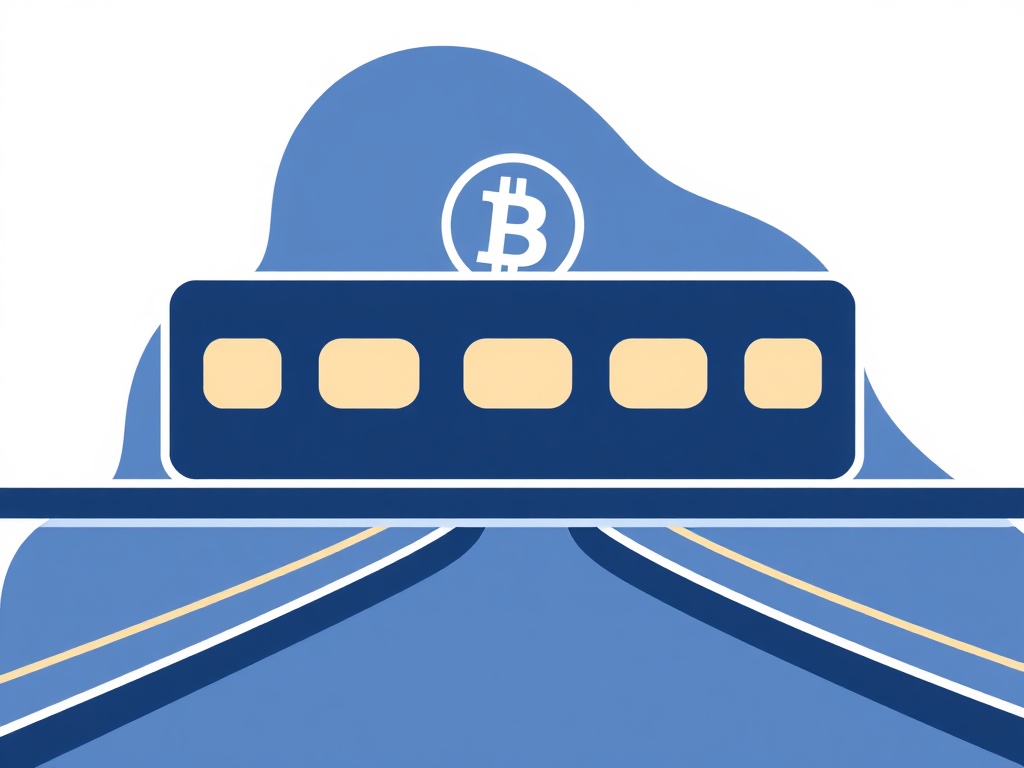
A transit address chain refers to a sequence of intermediate Bitcoin addresses that are used to obscure the origin and destination of cryptocurrency transactions. When you initiate a Bitcoin transaction through a mixer, your coins don't go directly from your wallet to the recipient's wallet. Instead, they pass through multiple intermediate addresses, creating what's known as a transit address chain.
Each address in this chain serves as a temporary holding point, making it significantly more difficult for blockchain analysts to trace the flow of funds. The transit address chain effectively breaks the direct link between sender and receiver, providing an additional layer of privacy protection.
How Transit Address Chains Differ from Regular Transactions
Traditional Bitcoin transactions typically involve a straightforward transfer from one address to another. In contrast, a transit address chain introduces multiple intermediate steps. This creates a complex web of transactions that can confuse even sophisticated tracking attempts.
The key difference lies in the number of hops between the original source and final destination. While a regular transaction might have just one hop, a transit address chain can include anywhere from three to dozens of intermediate addresses, depending on the mixer's configuration and the desired level of privacy.
The Technical Mechanics of Transit Address Chains
Understanding how transit address chains work requires examining the underlying technology and processes involved in Bitcoin mixing.
Address Generation and Management
Bitcoin mixers generate a series of unique addresses specifically for creating transit address chains. These addresses are typically created in advance and stored in the mixer's database. When a user initiates a mixing session, the service assigns a sequence of these addresses to handle the transaction flow.
Each address in the transit address chain is used only once or for a limited number of transactions before being retired. This practice, known as address reuse prevention, further enhances privacy by ensuring that no single address becomes associated with multiple transactions over time.
Transaction Timing and Distribution
The effectiveness of a transit address chain depends not only on the number of addresses but also on the timing of transactions between them. Mixers often implement random delays between transfers, making it harder to establish temporal correlations between transactions.
Additionally, the amounts transferred between addresses in the transit address chain may be split and combined in various ways. This fragmentation and consolidation of funds adds another layer of complexity to the transaction trail.
Benefits of Using Transit Address Chains
The implementation of transit address chains offers several significant advantages for users seeking enhanced privacy in their cryptocurrency transactions.
Enhanced Privacy Protection
The primary benefit of transit address chains is the substantial improvement in transaction privacy. By breaking the direct link between sender and receiver, these chains make it extremely difficult for third parties to track the flow of funds. This is particularly valuable for users who prioritize financial privacy or operate in environments where cryptocurrency transactions may be subject to scrutiny.
Protection Against Blockchain Analysis
Blockchain analysis companies employ sophisticated techniques to track cryptocurrency movements. Transit address chains significantly complicate these analysis efforts by introducing multiple potential paths for funds to follow. This makes it challenging for analysts to definitively establish transaction relationships or ownership patterns.
Compliance with Privacy Regulations
In some jurisdictions, there are legal requirements or expectations regarding financial privacy. The use of transit address chains can help users comply with these regulations by providing a technical means of protecting sensitive financial information.
Implementing Transit Address Chains in Bitcoin Mixers
Bitcoin mixers employ various strategies to implement effective transit address chains. Understanding these implementation methods can help users make informed decisions about which mixing services to use.
Chain Length and Configuration
Different mixers offer varying lengths of transit address chains, typically ranging from short chains of three to five addresses to extended chains with ten or more intermediate steps. The optimal chain length depends on the user's privacy requirements and the specific threat model they're addressing.
Longer transit address chains generally provide better privacy but may result in higher fees and longer processing times. Users must balance their privacy needs against these practical considerations when selecting a mixing service.
Address Pool Management
Effective transit address chain implementation requires careful management of address pools. Mixers must maintain a sufficient supply of unused addresses to handle incoming transactions while ensuring that addresses are properly retired after use.
Some advanced mixers employ hierarchical deterministic (HD) wallet technology to efficiently generate and manage the large number of addresses needed for transit address chains. This approach allows for the creation of vast address pools while maintaining organizational efficiency.
Security Considerations for Transit Address Chains
While transit address chains provide significant privacy benefits, they also introduce certain security considerations that users should be aware of.
Trust in the Mixing Service
The effectiveness of a transit address chain ultimately depends on the trustworthiness of the mixing service. Users must have confidence that the mixer will properly execute the chain without compromising their privacy or stealing their funds.
Reputable mixers address this concern through various means, including transparent operations, third-party audits, and the use of smart contracts to automate the mixing process. Users should thoroughly research any mixing service before entrusting it with their cryptocurrency.
Timing Attacks and Correlation
Even with a well-implemented transit address chain, sophisticated attackers may attempt timing attacks or other correlation techniques to deanonymize transactions. Mixers must employ additional countermeasures such as random delays, uniform transaction amounts, and coordinated timing across multiple users to mitigate these risks.
Best Practices for Using Transit Address Chains
To maximize the privacy benefits of transit address chains, users should follow certain best practices when utilizing Bitcoin mixing services.
Selecting the Right Chain Length
Choose a transit address chain length that aligns with your privacy requirements and risk tolerance. For most users, a chain of five to seven addresses provides a good balance between privacy and efficiency. Users with higher privacy needs may opt for longer chains, while those prioritizing speed might choose shorter ones.
Combining with Other Privacy Techniques
Transit address chains work best when combined with other privacy-enhancing techniques. Consider using the mixer in conjunction with practices such as CoinJoin, using multiple wallets, and avoiding address reuse in your regular transactions. This multi-layered approach provides comprehensive privacy protection.
Timing Your Transactions
The timing of your mixing transactions can impact their effectiveness. Avoid patterns that might reveal your activity, such as mixing at the same time each week. Instead, vary the timing and frequency of your use of transit address chains to make your activity less predictable.
The Future of Transit Address Chains
As cryptocurrency technology evolves, so too will the implementation and effectiveness of transit address chains. Several trends are likely to shape their future development.
Integration with Layer 2 Solutions
Layer 2 scaling solutions like the Lightning Network may incorporate transit address chain functionality to provide privacy at the network level. This integration could make privacy features more accessible and efficient for everyday users.
Enhanced Cryptographic Techniques
Advancements in cryptographic techniques such as zero-knowledge proofs and ring signatures may be integrated with transit address chains to provide even stronger privacy guarantees. These technologies could make it mathematically impossible to trace transactions, even with unlimited computational resources.
Regulatory Considerations
The regulatory landscape for cryptocurrency privacy tools continues to evolve. The future of transit address chains will likely be influenced by how regulators approach the balance between privacy rights and anti-money laundering requirements. Users should stay informed about regulatory developments that may affect their use of mixing services.
Common Misconceptions About Transit Address Chains
Several misconceptions exist about how transit address chains work and their effectiveness. Clarifying these misunderstandings is important for users making informed decisions about their privacy practices.
Myth: Transit Address Chains Provide Perfect Anonymity
While transit address chains significantly enhance privacy, they do not provide perfect anonymity. Determined adversaries with sufficient resources may still be able to compromise privacy through various means. Users should understand the limitations of mixing services and employ additional privacy measures as appropriate.
Myth: All Bitcoin Mixers Use Transit Address Chains
Not all Bitcoin mixers implement transit address chains in the same way, and some may use alternative privacy techniques. Users should research the specific methods employed by any mixing service they consider using to ensure they align with their privacy requirements.
Conclusion
Transit address chains represent a powerful tool in the cryptocurrency privacy toolkit, offering users a means to enhance the anonymity of their Bitcoin transactions. By understanding how these chains work, their benefits and limitations, and best practices for their use, cryptocurrency users can make informed decisions about protecting their financial privacy.
As the cryptocurrency ecosystem continues to mature, the importance of privacy-preserving technologies like transit address chains will only grow. Whether you're a casual user seeking basic privacy or a privacy advocate requiring maximum anonymity, understanding and appropriately utilizing transit address chains can significantly enhance your cryptocurrency experience.

Understanding Transit Address Chain in DeFi Ecosystems
As a DeFi and Web3 analyst, I've been closely monitoring the emergence of transit address chain solutions and their impact on blockchain interoperability. Transit address chains serve as crucial bridges between different blockchain networks, enabling seamless asset transfers and data exchange across previously siloed ecosystems. These specialized chains act as intermediaries, facilitating cross-chain communication while maintaining security and efficiency standards that users expect from decentralized systems.
The practical implications of transit address chain technology are particularly significant for yield farmers and liquidity providers. By enabling assets to move freely between chains, these solutions unlock new opportunities for arbitrage and optimal yield strategies. For instance, a user can leverage transit address chains to move assets from Ethereum to Polygon during periods of high gas fees, then return when conditions are more favorable. This flexibility not only reduces transaction costs but also expands the range of available DeFi protocols and opportunities. As the Web3 infrastructure continues to evolve, I anticipate that transit address chains will play an increasingly vital role in creating a more interconnected and efficient decentralized financial ecosystem.