Understanding the Sanctions on Tornado Cash
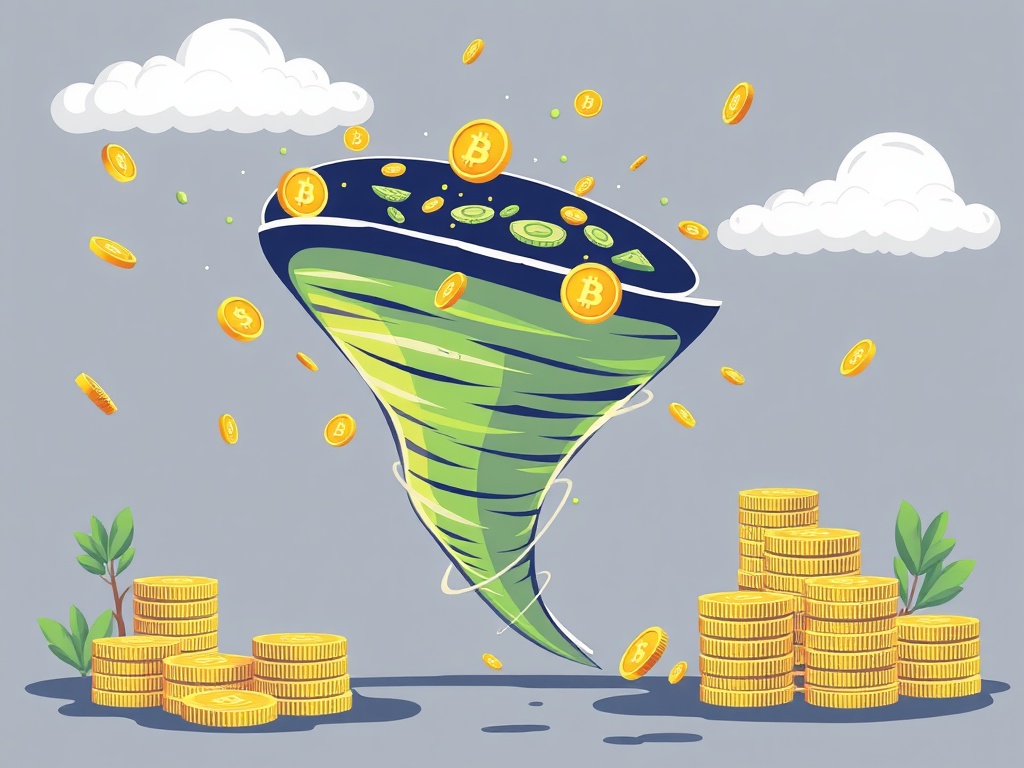
Understanding the Sanctions on Tornado Cash
The cryptocurrency world was shaken when the U.S. Treasury Department's Office of Foreign Assets Control (OFAC) imposed sanctions on Tornado Cash, a popular cryptocurrency mixing service. These sanctions, targeting the decentralized protocol, have sparked intense debate about privacy, decentralization, and the future of financial anonymity in the digital age.
What is Tornado Cash?
Tornado Cash is a decentralized, non-custodial protocol built on the Ethereum blockchain that allows users to enhance the privacy of their cryptocurrency transactions. The service works by accepting cryptocurrency deposits from one address and enabling withdrawals to a different address, effectively breaking the on-chain link between the sender and receiver. This process, known as coin mixing or tumbling, has legitimate privacy use cases but has also been criticized for potentially facilitating illicit activities.
How Tornado Cash Works
The protocol uses smart contracts to create a pool where users can deposit various cryptocurrencies. When funds are deposited, the user receives a cryptographic note that can later be used to withdraw the same amount (minus a small fee) to a different address. The mixing process makes it extremely difficult to trace the origin of the funds, providing users with enhanced financial privacy.
Details of the Sanctions
In August 2022, OFAC added Tornado Cash to its Specially Designated Nationals (SDN) list, effectively banning all U.S. persons from using the service. The sanctions targeted not only the protocol itself but also associated smart contracts and related front-end websites. This unprecedented move against a piece of open-source software sent shockwaves through the crypto community.
Scope of the Sanctions
The sanctions prohibit any transactions or dealings with Tornado Cash, including using the protocol, providing services to it, or facilitating any transactions involving the mixer. The U.S. government alleged that the service had been used to launder over $7 billion worth of cryptocurrency since its inception, including funds stolen by North Korean state-sponsored hackers.
Impact on the Cryptocurrency Ecosystem
The sanctions on Tornado Cash have had far-reaching consequences for the broader cryptocurrency ecosystem. Developers, users, and even blockchain analytics firms have had to reassess their approach to privacy tools and decentralized services.
Effects on Users and Developers
Following the sanctions, several cryptocurrency exchanges and wallet providers blocked addresses associated with Tornado Cash. GitHub also removed the project's repository, and Circle froze over $75,000 worth of USDC held in Tornado Cash smart contracts. These actions highlighted the centralized points of control that still exist in the decentralized ecosystem.
Legal and Ethical Implications
The sanctions have raised complex legal and ethical questions about the nature of open-source software, privacy rights, and the extent of government control over decentralized protocols.
Privacy vs. Security Debate
Proponents of Tornado Cash argue that financial privacy is a fundamental right and that the protocol itself is neutral technology that can be used for both legitimate and illicit purposes. Critics counter that the scale of illicit activity facilitated by the service outweighs privacy considerations, especially given the availability of other privacy-preserving technologies.
Technical Challenges and Responses
The sanctions have presented unique technical challenges, as Tornado Cash is not a company or individual but a set of smart contracts deployed on public blockchains.
Decentralization Under Scrutiny
The case has highlighted the limitations of decentralization, as the sanctions effectively made interaction with certain smart contracts illegal, regardless of their autonomous nature. This has led to discussions about how truly decentralized systems can be when their usage can be restricted through legal and social pressure.
Future of Privacy in Cryptocurrency
The sanctions on Tornado Cash have accelerated discussions about the future of privacy in the cryptocurrency space and how developers can create privacy-preserving tools that are resistant to censorship.
Emerging Privacy Solutions
In response to the sanctions, developers are exploring new approaches to privacy that might be more resistant to regulatory pressure. These include fully decentralized front-ends, privacy solutions built on layer-2 networks, and protocols that don't rely on centralized points of control.
Global Regulatory Landscape
The Tornado Cash sanctions have influenced how regulators worldwide approach cryptocurrency privacy tools and mixing services.
International Reactions
While the U.S. took the most direct action against Tornado Cash, other countries have been monitoring the situation closely. Some have indicated they may follow similar approaches, while others are using this as a case study in how to regulate emerging financial technologies.
Community Response and Legal Challenges
The cryptocurrency community has responded to the sanctions in various ways, from technical workarounds to legal challenges.
Legal Proceedings
Several developers associated with Tornado Cash have faced legal scrutiny, and there have been discussions about whether code itself can be sanctioned. The community has also seen attempts to fund legal defenses and challenge the sanctions in court.
Technical Analysis of the Sanctions' Effectiveness
Evaluating the effectiveness of the sanctions on Tornado Cash requires understanding both the technical and social aspects of cryptocurrency privacy.
Blockchain Analytics Perspective
Blockchain analytics firms have reported changes in how illicit actors move funds following the sanctions. While some activity has shifted away from Tornado Cash, others have found ways to continue using similar privacy-enhancing techniques.
Economic Impact
The sanctions have had significant economic implications for various stakeholders in the cryptocurrency ecosystem.
Market Effects
Following the announcement of sanctions, there were immediate effects on cryptocurrency markets, particularly for tokens associated with privacy and decentralized finance. The long-term economic impact continues to unfold as businesses and developers adapt to the new regulatory reality.
Educational and Awareness Aspects
The sanctions have served as a catalyst for increased education and awareness about cryptocurrency privacy, regulation, and the technical aspects of blockchain transactions.
Public Understanding
The case has helped many people understand the complexities of cryptocurrency privacy and the challenges of regulating decentralized technologies. This increased awareness may influence future policy decisions and technological developments.
Looking Forward: The Path Ahead
As the cryptocurrency industry continues to evolve, the sanctions on Tornado Cash will likely be seen as a pivotal moment in the ongoing tension between privacy, regulation, and technological innovation.
Potential Developments
Future developments may include new privacy solutions that are more resistant to regulatory pressure, changes in how governments approach decentralized technologies, and evolving standards for compliance in the cryptocurrency space.
Conclusion
The sanctions on Tornado Cash represent a significant moment in the evolution of cryptocurrency regulation and privacy. As the industry continues to mature, finding the right balance between privacy rights, security concerns, and regulatory compliance remains a central challenge. The case of Tornado Cash will likely influence how similar technologies are developed, regulated, and used in the future.
The ongoing debate surrounding these sanctions highlights the complex interplay between technology, law, and society in the digital age. As cryptocurrency becomes more mainstream, these discussions will only become more important, shaping the future of financial privacy and decentralization.

Expert Opinion on Sanctions Against Tornado Cash
As a Digital Assets Strategist with extensive experience in both traditional finance and cryptocurrency markets, I have been closely monitoring the recent sanctions imposed on Tornado Cash. These sanctions represent a significant development in the intersection of decentralized finance and regulatory oversight. Tornado Cash, a privacy-focused Ethereum mixing service, has been a subject of debate due to its potential use in obfuscating the origins of digital assets. The sanctions highlight the growing tension between the ethos of decentralization and the need for compliance with anti-money laundering (AML) and counter-terrorism financing (CTF) regulations.
From a quantitative and analytical perspective, the sanctions on Tornado Cash could have far-reaching implications for the broader cryptocurrency ecosystem. On one hand, they underscore the importance of transparency and accountability in digital asset transactions, which are crucial for maintaining trust and stability in the market. On the other hand, they raise questions about the extent to which privacy-focused tools can coexist with regulatory frameworks. As a portfolio optimization expert, I recognize that such sanctions could lead to increased volatility in the short term, as market participants reassess the risk associated with privacy-centric protocols. However, in the long term, these measures may encourage the development of more robust compliance mechanisms within the decentralized finance (DeFi) space.
Moreover, the sanctions on Tornado Cash serve as a reminder of the evolving nature of cryptocurrency markets and the need for adaptive strategies. As an on-chain analytics specialist, I believe that these developments will likely drive innovation in compliance tools and techniques, enabling market participants to navigate the complex regulatory landscape more effectively. It is essential for investors and developers alike to stay informed about these changes and to consider their potential impact on portfolio performance and market dynamics. Ultimately, the sanctions on Tornado Cash represent a pivotal moment in the maturation of the cryptocurrency industry, emphasizing the need for a balanced approach that respects both privacy and regulatory requirements.