Understanding Multisig Wallet Security for Bitcoin Users
Understanding Multisig Wallet Security for Bitcoin Users
Multisig wallet security has become increasingly important in the cryptocurrency space as users seek enhanced protection for their digital assets. This comprehensive guide explores the various aspects of multisignature wallets and how they contribute to improved security for Bitcoin holders.
What is a Multisig Wallet?
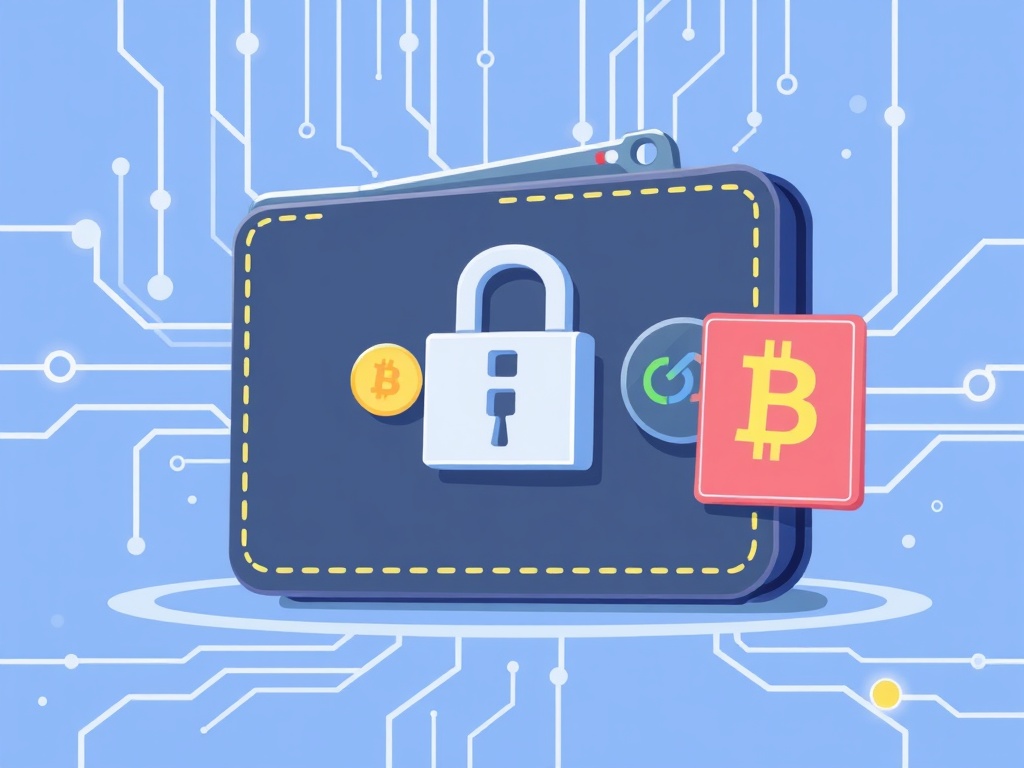
A multisig wallet, short for multi-signature wallet, requires multiple private keys to authorize a Bitcoin transaction. Unlike traditional wallets that need only one signature, multisig wallets distribute control among several parties or devices, creating an additional layer of security.
How Multisig Wallets Work
Multisig wallets operate on the principle of M-of-N signatures, where M represents the minimum number of signatures required to complete a transaction, and N represents the total number of possible signatures. For example, a 2-of-3 multisig wallet would require any two out of three designated keys to authorize a transaction.
Common Multisig Configurations
- 2-of-2: Both signatures required (highest security but risk of permanent lockout if one key is lost)
- 2-of-3: Two out of three signatures required (balanced security and redundancy)
- 3-of-5: Three out of five signatures required (enterprise-grade security)
- 1-of-2: Either signature can authorize (useful for shared access scenarios)
Benefits of Multisig Wallet Security
Multisig wallet security offers several advantages over traditional single-signature wallets, making them an attractive option for both individual users and organizations.
Protection Against Single Points of Failure
One of the primary benefits of multisig wallet security is the elimination of single points of failure. Even if one private key is compromised through theft, hacking, or loss, the funds remain secure as additional signatures are required to access them.
Enhanced Theft Prevention
Multisig wallet security significantly reduces the risk of unauthorized access. An attacker would need to compromise multiple keys simultaneously, which is considerably more difficult than obtaining a single private key. This makes multisig wallets particularly valuable for storing large amounts of Bitcoin.
Shared Control and Accountability
For businesses and organizations, multisig wallet security enables shared control over funds. Different team members can hold different keys, ensuring that no single individual has complete control over company assets. This also creates an audit trail of who authorized transactions.
Setting Up a Multisig Wallet
Creating a multisig wallet requires careful planning and execution to ensure optimal security. The setup process involves several important steps that users should follow diligently.
Choosing the Right Configuration
Selecting the appropriate M-of-N configuration depends on your specific needs and risk tolerance. Consider factors such as the amount of Bitcoin being stored, the number of trusted parties involved, and the balance between security and accessibility.
Key Generation and Storage
Each key in a multisig setup should be generated and stored independently. Best practices include:
- Generate keys on separate, secure devices
- Use hardware wallets for key storage when possible
- Store backup copies in geographically diverse locations
- Consider using different key types (software, hardware, paper) for added security
Testing the Setup
Before transferring significant funds, thoroughly test your multisig wallet security setup with small transactions. Verify that all parties can sign transactions and that recovery procedures work as expected.
Best Practices for Multisig Wallet Security
Maintaining robust multisig wallet security requires ongoing attention and adherence to security best practices.
Regular Security Audits
Periodically review your multisig setup to ensure all keys are secure and accessible. Check that backup procedures are current and that all signatories understand their responsibilities.
Secure Communication Channels
When coordinating multisig transactions, use secure communication channels to prevent interception of sensitive information. Encrypted messaging apps and secure email services are recommended for discussing transaction details.
Emergency Protocols
Establish clear protocols for emergency situations, such as lost keys or inaccessible signatories. Document these procedures and ensure all relevant parties are familiar with them.
Common Multisig Wallet Security Risks
While multisig wallet security offers significant advantages, users should be aware of potential risks and how to mitigate them.
Key Management Challenges
The complexity of managing multiple keys can lead to security vulnerabilities if not handled properly. Users must maintain strict control over all private keys and ensure they are stored securely.
Coordination Issues
Multisig transactions require coordination among multiple parties, which can lead to delays or complications. Establish clear communication protocols to address these challenges.
Software Vulnerabilities
The software used to create and manage multisig wallets may contain vulnerabilities. Use reputable, well-audited wallet software and keep it updated to minimize this risk.
Advanced Multisig Security Strategies
For users seeking maximum protection, several advanced strategies can further enhance multisig wallet security.
Time-Locked Multisig
Implementing time locks on multisig transactions adds an additional security layer by requiring a waiting period before funds can be moved, even with all required signatures.
Geographic Distribution
Storing keys in geographically diverse locations protects against regional disasters or targeted attacks. Consider using secure storage facilities or trusted associates in different locations.
Regular Key Rotation
Periodically rotating keys in your multisig setup can limit the impact of potential compromises. This requires careful planning to avoid locking yourself out of funds.
Multisig vs. Other Security Solutions
Understanding how multisig wallet security compares to other security solutions helps users make informed decisions about protecting their Bitcoin.
Multisig vs. Single Signature
While single-signature wallets offer simplicity, multisig wallet security provides superior protection against theft and unauthorized access. The trade-off is increased complexity in setup and transaction signing.
Multisig vs. Custodial Services
Custodial services offer convenience but require trusting a third party with your funds. Multisig wallet security allows users to maintain control while still benefiting from enhanced security measures.
Multisig vs. Hardware Wallets
Hardware wallets provide excellent security for single-signature setups, but multisig wallet security offers additional protection by requiring multiple devices or parties to authorize transactions.
Future of Multisig Wallet Security
The landscape of multisig wallet security continues to evolve as new technologies and best practices emerge.
Smart Contract Integration
Future developments may see greater integration between multisig wallets and smart contracts, enabling more sophisticated security rules and automated transaction processes.
Improved User Experience
As multisig technology matures, user interfaces and experiences are likely to improve, making these security solutions more accessible to mainstream users.
Enhanced Privacy Features
Ongoing developments in privacy technology may lead to multisig wallet security solutions that offer both enhanced security and improved transaction privacy.
Multisig wallet security represents a significant advancement in protecting Bitcoin holdings. By understanding the principles, benefits, and best practices outlined in this guide, users can make informed decisions about implementing multisig solutions to safeguard their digital assets. As the cryptocurrency ecosystem continues to evolve, multisig wallet security will likely remain a cornerstone of robust Bitcoin security strategies.

Multisig Wallet Security: A Comprehensive Analysis
As a Blockchain Research Director with extensive experience in distributed ledger technology, I've observed that multisig wallet security has become increasingly crucial in today's digital asset landscape. The fundamental principle behind multisig wallets - requiring multiple signatures to authorize transactions - provides an essential layer of protection against unauthorized access and single points of failure. However, the implementation and configuration of these wallets require careful consideration to maximize their security benefits.
In my professional experience, the most effective multisig wallet security implementations typically involve a combination of hardware wallets and geographically distributed key holders. This approach significantly reduces the risk of compromise while maintaining operational flexibility. I've found that organizations should carefully consider the threshold requirements for their multisig wallets - whether it's 2-of-3, 3-of-5, or another configuration - based on their specific security needs and operational requirements. Additionally, regular security audits and key rotation protocols are essential components of maintaining robust multisig wallet security over time.