

Understanding Multi-Hop VPN Routing for Enhanced Privacy
Understanding Multi-Hop VPN Routing for Enhanced Privacy
In today's digital landscape, privacy and security have become paramount concerns for internet users worldwide. As cryptocurrency transactions and blockchain technology continue to evolve, the need for robust privacy solutions has intensified. Multi-hop VPN routing has emerged as a sophisticated method to enhance online anonymity and protect sensitive data from prying eyes.
What is Multi-Hop VPN Routing?
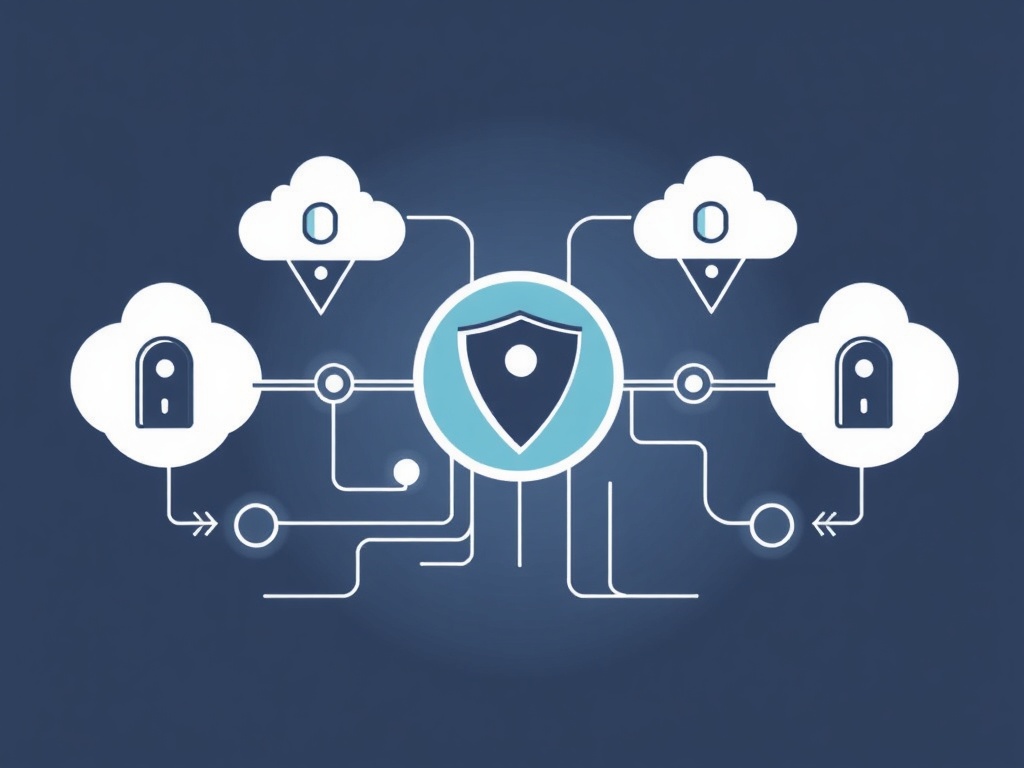
Multi-hop VPN routing, also known as VPN chaining or double VPN, is a privacy-enhancing technique that routes your internet traffic through multiple VPN servers before reaching its final destination. Unlike traditional VPN connections that route traffic through a single server, multi-hop configurations create additional layers of encryption and anonymity by bouncing your connection through two or more servers in different locations.
This approach significantly increases the complexity of tracking your online activities. Each hop adds another layer of encryption and obscures your digital footprint, making it exponentially more difficult for third parties to trace your connection back to its source.
How Multi-Hop VPN Routing Works
The process begins when your device establishes a connection to the first VPN server in the chain. Your data is encrypted and sent to this initial server, which then decrypts the outer layer and re-encrypts the data before forwarding it to the next server in the sequence. This process continues through each hop until the final server decrypts the data and sends it to its intended destination on the internet.
Each server in the chain only knows about the server it received the data from and the server it's sending it to, creating a fragmented view that prevents any single point from having complete information about your connection.
Benefits of Multi-Hop VPN Routing
Multi-hop VPN routing offers several significant advantages for users seeking enhanced privacy and security, particularly in the cryptocurrency space where transaction anonymity is crucial.
Enhanced Privacy Protection
The primary benefit of multi-hop VPN routing is the substantial increase in privacy protection. By routing your traffic through multiple servers, you create a complex web of connections that makes it extremely difficult for anyone to trace your online activities back to your original IP address. This is particularly valuable for cryptocurrency users who want to maintain transaction privacy and protect their digital assets from surveillance.
Improved Security Against Cyber Threats
Multi-hop configurations provide an additional layer of security against various cyber threats. Even if one server in the chain is compromised, your data remains protected by the encryption layers from the other servers. This redundancy makes multi-hop VPN routing an excellent choice for users handling sensitive financial transactions or confidential information.
Bypassing Geographic Restrictions
Multi-hop VPN routing can help users bypass geographic restrictions more effectively than single-hop connections. By routing through servers in different countries, you can access content and services that might be blocked in your region while maintaining a high level of anonymity.
Multi-Hop VPN Routing in the Cryptocurrency Context
The cryptocurrency community has embraced multi-hop VPN routing as a valuable tool for maintaining transaction privacy and protecting digital assets. When conducting cryptocurrency transactions, users often need to access exchanges, wallets, and blockchain explorers while minimizing their digital footprint.
Protecting Transaction Privacy
Cryptocurrency transactions, while pseudonymous, can be traced through blockchain analysis. Multi-hop VPN routing adds an extra layer of protection by obscuring the IP addresses associated with these transactions. This makes it more challenging for blockchain analysts to link transactions to specific individuals or entities.
Securing Exchange Access
Many cryptocurrency exchanges implement strict security measures and may block VPN connections. Multi-hop VPN routing can help users access these platforms while maintaining privacy, as the traffic appears to originate from different locations and IP addresses throughout the connection chain.
Enhancing Cold Storage Security
Users who manage cold storage wallets for their cryptocurrency holdings can benefit from multi-hop VPN routing when accessing their wallets online. This additional security layer helps protect against potential attacks targeting wallet access points.
Implementation Considerations
While multi-hop VPN routing offers significant privacy benefits, it's important to understand the implementation considerations and potential trade-offs.
Performance Impact
Multi-hop VPN routing typically results in slower connection speeds compared to single-hop connections. Each additional server in the chain introduces latency and reduces overall bandwidth. Users must balance the need for enhanced privacy against the performance requirements of their specific use cases.
Configuration Complexity
Setting up multi-hop VPN routing can be more complex than traditional VPN configurations. Users need to carefully select VPN providers that support chaining and understand how to properly configure the connection sequence. Some VPN services offer built-in multi-hop features, while others require manual configuration.
Cost Considerations
Multi-hop VPN routing often requires subscriptions to multiple VPN services or premium plans that include chaining features. Users should factor these costs into their privacy budget and evaluate whether the additional expense aligns with their security needs.
Best Practices for Multi-Hop VPN Routing
To maximize the benefits of multi-hop VPN routing while minimizing potential drawbacks, consider the following best practices.
Server Selection Strategy
Choose servers in jurisdictions with strong privacy laws and avoid countries known for surveillance or data retention requirements. The geographic distribution of your hops should align with your privacy goals and the specific threats you're trying to mitigate.
Protocol Selection
Different VPN protocols offer varying levels of security and performance. OpenVPN and WireGuard are popular choices for multi-hop configurations due to their strong encryption and reliability. Consider using different protocols for each hop to add another layer of complexity to your connection.
Regular Security Audits
Periodically review your multi-hop VPN configuration to ensure it continues to meet your privacy needs. Stay informed about changes in VPN provider policies, server locations, and emerging security threats that might impact your setup.
Common Use Cases for Multi-Hop VPN Routing
Multi-hop VPN routing serves various purposes across different user groups and scenarios.
Journalist and Activist Protection
Journalists and activists working in regions with restricted internet access often rely on multi-hop VPN routing to protect their sources and communications. The additional anonymity layers help prevent government surveillance and censorship efforts.
Business Confidentiality
Companies handling sensitive business information or conducting competitive research may use multi-hop VPN routing to protect their intellectual property and maintain confidentiality during online activities.
Personal Privacy Enhancement
Individual users concerned about their online privacy can benefit from multi-hop VPN routing when conducting sensitive searches, accessing personal accounts, or communicating through encrypted channels.
Limitations and Considerations
While multi-hop VPN routing provides significant privacy benefits, it's important to understand its limitations and consider complementary security measures.
No Absolute Anonymity
Multi-hop VPN routing enhances privacy but doesn't guarantee absolute anonymity. Users should combine this technique with other privacy practices such as using privacy-focused browsers, enabling tracker blockers, and practicing good digital hygiene.
Trust in VPN Providers
Multi-hop VPN routing requires trust in multiple VPN providers. Users should thoroughly research providers' privacy policies, logging practices, and security track records before committing to a multi-hop configuration.
Legal and Regulatory Compliance
Users should ensure their use of multi-hop VPN routing complies with local laws and regulations. Some jurisdictions have restrictions on VPN usage or specific requirements for data protection and privacy.
Future of Multi-Hop VPN Routing
As privacy concerns continue to grow and technology evolves, multi-hop VPN routing is likely to become more sophisticated and accessible. Emerging technologies such as quantum encryption and decentralized VPN networks may further enhance the capabilities and security of multi-hop configurations.
The cryptocurrency community's emphasis on privacy and decentralization aligns well with the principles of multi-hop VPN routing, suggesting continued development and adoption in this space. As blockchain technology matures and new privacy-focused cryptocurrencies emerge, the demand for advanced privacy solutions like multi-hop VPN routing is expected to increase.
Understanding and implementing multi-hop VPN routing can significantly enhance your online privacy and security, particularly in the cryptocurrency context. By carefully considering the benefits, limitations, and best practices outlined in this article, you can make informed decisions about incorporating this powerful privacy tool into your digital security strategy.

Multi-Hop VPN Routing: A Critical Tool for DeFi Security
As a DeFi and Web3 analyst, I've observed that multi-hop VPN routing has become an essential security measure for cryptocurrency traders and blockchain developers. This routing technique, which passes internet traffic through multiple VPN servers before reaching its destination, creates additional layers of encryption and anonymity that are particularly valuable when interacting with decentralized finance protocols. The multi-hop approach effectively masks the original IP address and location, making it significantly more difficult for malicious actors to track or target specific users based on their network activity.
In the context of Web3 infrastructure, multi-hop VPN routing serves multiple practical purposes beyond basic privacy. When conducting sensitive operations like large token transfers, liquidity provision, or governance voting, the additional security layers help protect against potential man-in-the-middle attacks and surveillance. I've found that many experienced DeFi participants use multi-hop configurations specifically when accessing decentralized exchanges or interacting with smart contracts, as these activities often involve significant financial exposure. The routing technique also proves valuable for developers testing blockchain applications across different geographic regions, as it allows them to simulate various network conditions and access region-restricted services while maintaining security protocols.