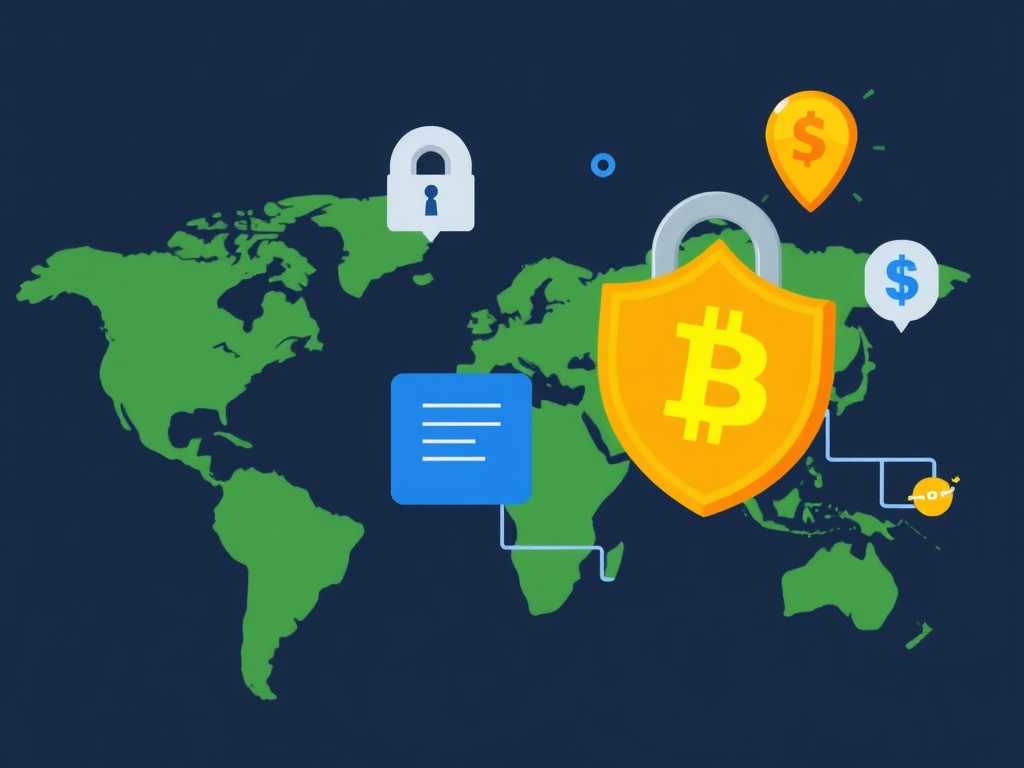

Understanding Immutable Smart Contracts: A Deep Dive into Their Role in Blockchain Technology

Understanding Immutable Smart Contracts: A Deep Dive into Their Role in Blockchain Technology
In the rapidly evolving world of blockchain technology, immutable smart contracts have emerged as a cornerstone of trust and efficiency. These self-executing agreements, once deployed on a blockchain, cannot be altered or tampered with, ensuring transparency and security in digital transactions. As the demand for decentralized solutions grows, the concept of immutable smart contracts has become increasingly relevant, particularly in niches like BTC mixers, where privacy and reliability are paramount. This article explores the fundamentals of immutable smart contracts, their significance in blockchain ecosystems, and their transformative potential in reshaping how we interact with digital systems.
The Fundamentals of Immutable Smart Contracts
At their core, immutable smart contracts are programs stored on a blockchain that automatically execute actions when predefined conditions are met. Unlike traditional contracts, which require intermediaries to enforce terms, these contracts operate without human intervention, reducing the risk of fraud and errors. The term "immutable" refers to their unchangeable nature, meaning once deployed, the code cannot be modified. This characteristic is critical in environments where trust is essential, such as financial transactions, supply chain management, and decentralized applications (dApps).
Key Characteristics of Immutable Smart Contracts
- Transparency: All transactions and code executions are recorded on a public ledger, ensuring accountability.
- Security: The cryptographic nature of blockchain makes it nearly impossible to alter the contract’s code.
- Automation: Contracts execute automatically when conditions are met, eliminating the need for manual oversight.
- Trustlessness: Parties can interact without relying on a central authority, fostering a decentralized ecosystem.
These features make immutable smart contracts a powerful tool for creating secure, efficient, and transparent systems. However, their immutability also introduces unique challenges, which we will explore in the following sections.
The Role of Immutable Smart Contracts in Blockchain Ecosystems
Immutable smart contracts are not just a technical innovation; they are a foundational element of blockchain’s value proposition. By enabling trustless interactions, they empower users to engage in transactions without the need for intermediaries. This is particularly impactful in the context of BTC mixers, where users seek to enhance privacy by obscuring the origin of their Bitcoin transactions. Immutable smart contracts ensure that the mixing process is both secure and verifiable, as the code governing the mixer cannot be altered once deployed.
How Immutable Smart Contracts Enhance Security
One of the most significant advantages of immutable smart contracts is their ability to enhance security. Since the code cannot be modified after deployment, it reduces the risk of malicious actors exploiting vulnerabilities. For example, in a BTC mixer, the contract’s logic for mixing and distributing funds is locked in, ensuring that no party can manipulate the process. This level of security is crucial in an industry where trust is often a major concern.
Use Cases in BTC Mixers
BTC mixers, also known as Bitcoin tumblers, use immutable smart contracts to anonymize transactions. By leveraging these contracts, users can send Bitcoin to a mixer, which then redistributes the funds to multiple addresses, making it difficult to trace the original source. The immutability of the contract ensures that the mixing process remains consistent and tamper-proof, providing users with a reliable way to protect their financial privacy.
How Immutable Smart Contracts Work
Understanding the mechanics of immutable smart contracts requires a closer look at their development and execution. These contracts are typically written in programming languages like Solidity (for Ethereum) or Rust (for Solana) and deployed on a blockchain network. Once deployed, the contract’s code is stored in a block, and any changes to it would require consensus from the network, which is practically impossible due to the decentralized nature of blockchains.
Code Execution and Consensus Mechanisms
When a user interacts with an immutable smart contract, the contract’s code is executed by the blockchain’s nodes. This process involves verifying the conditions specified in the contract and executing the corresponding actions. For instance, in a BTC mixer, the contract might check if a user has sent a certain amount of Bitcoin and then trigger the mixing process. The consensus mechanism of the blockchain ensures that all nodes agree on the outcome, preventing any single entity from altering the contract’s behavior.
Security and Immutability
The security of immutable smart contracts relies on the cryptographic principles of blockchain technology. Each transaction is hashed and linked to the previous one, creating a chain that is resistant to tampering. Additionally, the use of digital signatures ensures that only authorized parties can initiate contract executions. This combination of features makes it extremely difficult for hackers to compromise the integrity of the contract.
Benefits of Immutable Smart Contracts
The advantages of immutable smart contracts extend beyond security and transparency. They offer a range of benefits that make them indispensable in modern blockchain applications. From reducing costs to enabling new business models, these contracts are reshaping how we think about digital agreements.
Transparency and Accountability
One of the most compelling benefits of immutable smart contracts is their ability to provide transparency. Since all transactions are recorded on a public ledger, users can verify the execution of a contract without relying on a third party. This is particularly valuable in industries like finance and supply chain management, where trust is often a barrier to adoption. For example, a BTC mixer using an immutable contract allows users to audit the mixing process, ensuring that their funds are handled securely.
Trustless Interactions
Immutable smart contracts eliminate the need for trust between parties. By automating the execution of agreements, they enable users to interact with each other without the risk of fraud or manipulation. This is especially relevant in the context of BTC mixers, where users may not trust the mixer operator. The contract’s code ensures that the mixing process is fair and transparent, fostering a sense of trust in the system.
Cost Efficiency
Traditional contracts often involve intermediaries, which can lead to high transaction fees and delays. Immutable smart contracts, on the other hand, operate without intermediaries, reducing costs and increasing efficiency. For instance, a BTC mixer using an immutable contract can process transactions faster and at a lower cost compared to traditional methods. This makes them an attractive option for users seeking cost-effective solutions.
Challenges and Limitations of Immutable Smart Contracts
Despite their numerous benefits, immutable smart contracts are not without challenges. The very feature that makes them secure—immutability—also introduces limitations that developers and users must navigate. Understanding these challenges is essential for anyone looking to implement or interact with these contracts.
Code Vulnerabilities and Bugs
One of the most significant risks associated with immutable smart contracts is the potential for code vulnerabilities. Since the code cannot be modified after deployment, any bugs or flaws in the initial implementation can have long-term consequences. For example, a poorly written BTC mixer contract could be exploited by malicious actors, leading to the loss of funds. This underscores the importance of rigorous testing and auditing before deploying a contract.
Scalability and Performance Issues
Another challenge is the scalability of immutable smart contracts. As blockchain networks grow, the demand for processing power increases, which can lead to slower transaction times and higher fees. In the case of BTC mixers, this could result in delays or increased costs for users. Developers must carefully design contracts to optimize performance while maintaining security and immutability.
Regulatory and Legal Concerns
The legal landscape surrounding immutable smart contracts is still evolving. While some jurisdictions have embraced blockchain technology, others remain cautious due to concerns about compliance and accountability. For instance, the use of BTC mixers with immutable contracts may raise questions about money laundering and tax evasion. As regulations continue to develop, users and developers must stay informed about the legal implications of using these contracts.
The Future of Immutable Smart Contracts
As blockchain technology continues to mature, the role of immutable smart contracts is expected to expand. Innovations in areas like interoperability, scalability, and user experience will further enhance their utility. In the context of BTC mixers, future developments could lead to more sophisticated privacy solutions that leverage the security of immutable contracts.
Integration with Emerging Technologies
The integration of immutable smart contracts with other emerging technologies, such as artificial intelligence and the Internet of Things (IoT), could unlock new possibilities. For example, AI-driven analytics could help monitor the performance of BTC mixers, while IoT devices could automate the execution of contracts in real-time. These advancements would further solidify the role of immutable contracts in the blockchain ecosystem.
Adoption in Mainstream Applications
As more industries recognize the benefits of immutable smart contracts, their adoption is likely to grow. From healthcare to real estate, these contracts have the potential to streamline processes and reduce costs. In the case of BTC mixers, widespread adoption could lead to more secure and user-friendly privacy solutions, making them a staple in the cryptocurrency space.
Conclusion: The Path Forward for Immutable Smart Contracts
Immutable smart contracts represent a significant advancement in blockchain technology, offering a blend of security, transparency, and efficiency. While challenges remain, their potential to transform industries and empower users is undeniable. As the technology continues to evolve, the importance of immutable smart contracts in applications like BTC mixers will only grow. By understanding their mechanics, benefits, and limitations, users and developers can harness their power to build a more secure and decentralized future.

The Unyielding Foundation: Why Immutable Smart Contracts Are the Backbone of Trust in Web3
Immutable smart contracts are the cornerstone of trust in decentralized systems, ensuring that once deployed, their code cannot be altered. As a DeFi and Web3 analyst, I’ve observed that this immutability is both a strength and a challenge. On one hand, it eliminates the risk of malicious actors or developers tampering with the logic of a protocol, which is critical in an environment where transparency and security are paramount. On the other hand, it means that any bugs or vulnerabilities discovered after deployment are extremely difficult to fix, requiring complex workarounds or forks. This duality underscores the importance of rigorous pre-deployment audits and the need for robust governance frameworks to manage post-launch scenarios.
From a practical standpoint, immutable smart contracts enforce accountability in DeFi protocols. For instance, when a liquidity pool’s parameters are set, they remain fixed unless explicitly changed through on-chain governance. This creates a predictable environment for users, who can rely on the rules being unchangeable without their consent. However, this rigidity can also hinder adaptability. Projects must carefully balance the need for stability with the ability to evolve. I’ve seen cases where protocols use proxy contracts or modular architectures to allow controlled updates, but these solutions introduce their own complexities and risks. The key is to design systems that prioritize security while maintaining flexibility through decentralized decision-making.
Ultimately, immutable smart contracts are a double-edged sword in the Web3 ecosystem. They foster trust by ensuring code integrity but demand meticulous planning to mitigate the risks of irreversible errors. As the industry matures, I believe the focus will shift toward hybrid models that combine immutability with adaptive governance. For now, the lesson is clear: immutability is not just a technical feature but a philosophical commitment to decentralization. It’s a reminder that in Web3, trust is earned through transparency, not just code.