Understanding Blockchain Analytics Platforms: A Comprehensive Guide
Understanding Blockchain Analytics Platforms: A Comprehensive Guide
In today's rapidly evolving cryptocurrency landscape, blockchain analytics platforms have emerged as essential tools for businesses, regulators, and individuals seeking to understand and navigate the complex world of digital assets. These sophisticated systems provide critical insights into blockchain transactions, helping users track, analyze, and interpret the vast amounts of data generated by blockchain networks.
What is a Blockchain Analytics Platform?
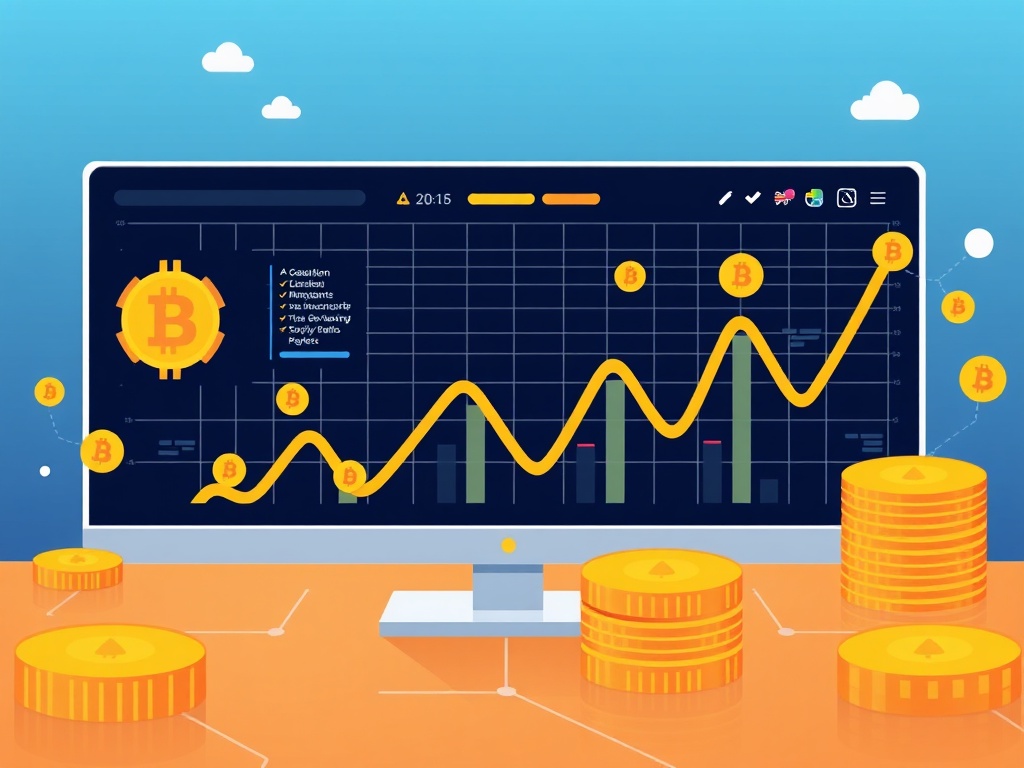
A blockchain analytics platform is a specialized software solution designed to collect, process, and analyze data from various blockchain networks. These platforms employ advanced algorithms, machine learning techniques, and data visualization tools to transform raw blockchain data into actionable intelligence. By providing comprehensive insights into transaction patterns, wallet activities, and network behaviors, these platforms serve as invaluable resources for multiple stakeholders in the cryptocurrency ecosystem.
Core Components of Blockchain Analytics Platforms
Modern blockchain analytics platforms typically consist of several key components that work together to deliver comprehensive analytical capabilities:
- Data Collection Engines: These systems continuously gather information from blockchain nodes, ensuring real-time access to the latest transaction data.
- Processing Frameworks: Advanced algorithms process and organize the collected data, making it searchable and analyzable.
- Visualization Tools: Interactive dashboards and charts help users understand complex data patterns and relationships.
- API Integration: Application Programming Interfaces allow seamless integration with other systems and services.
Key Features and Capabilities
Blockchain analytics platforms offer a wide range of features designed to meet the diverse needs of their users. These capabilities extend far beyond simple transaction tracking, providing comprehensive solutions for various use cases.
Transaction Monitoring and Tracking
One of the primary functions of a blockchain analytics platform is to monitor and track transactions across multiple blockchain networks. This capability includes:
- Real-time transaction monitoring
- Address clustering and identification
- Transaction flow visualization
- Risk assessment and scoring
Compliance and Regulatory Support
For financial institutions and cryptocurrency businesses, compliance with regulatory requirements is crucial. Blockchain analytics platforms provide essential tools for:
- Anti-Money Laundering (AML) compliance
- Know Your Customer (KYC) verification
- Transaction monitoring for suspicious activities
- Regulatory reporting and documentation
Applications and Use Cases
The versatility of blockchain analytics platforms makes them valuable tools across various industries and applications. Their ability to provide deep insights into blockchain activities has led to widespread adoption in multiple sectors.
Financial Services and Banking
Traditional financial institutions are increasingly incorporating blockchain analytics platforms into their operations to:
- Monitor cryptocurrency transactions
- Assess counterparty risk
- Ensure compliance with financial regulations
- Detect and prevent fraudulent activities
Law Enforcement and Security
Government agencies and law enforcement organizations utilize blockchain analytics platforms to:
- Investigate cryptocurrency-related crimes
- Track illicit fund movements
- Identify criminal networks
- Support evidence gathering for prosecutions
Benefits and Advantages
Organizations that implement blockchain analytics platforms can realize numerous benefits that contribute to their operational efficiency and security.
Enhanced Security and Risk Management
By providing comprehensive visibility into blockchain transactions, these platforms help organizations:
- Identify potential security threats
- Mitigate risks associated with cryptocurrency transactions
- Protect against fraud and financial crimes
- Maintain the integrity of their operations
Improved Decision Making
The insights provided by blockchain analytics platforms enable better-informed decision-making through:
- Data-driven analysis of market trends
- Identification of investment opportunities
- Assessment of counterparty reliability
- Strategic planning based on comprehensive data
Challenges and Considerations
While blockchain analytics platforms offer significant benefits, organizations must also consider various challenges and limitations when implementing these solutions.
Technical Challenges
Organizations may face several technical hurdles, including:
- Scalability issues with large blockchain networks
- Data privacy and security concerns
- Integration with existing systems
- Maintaining data accuracy and reliability
Regulatory and Privacy Concerns
The use of blockchain analytics platforms raises important questions about:
- Data privacy and protection
- Compliance with local regulations
- Ethical considerations in data analysis
- International regulatory variations
Future Trends and Developments
The field of blockchain analytics continues to evolve rapidly, with new technologies and capabilities emerging regularly.
Emerging Technologies
Several technological advancements are shaping the future of blockchain analytics platforms:
- Artificial Intelligence and Machine Learning integration
- Enhanced privacy-preserving analytics
- Cross-chain analysis capabilities
- Real-time predictive analytics
Market Evolution
The blockchain analytics platform market is expected to experience significant growth and transformation, including:
- Increased adoption across industries
- Development of specialized solutions
- Enhanced integration capabilities
- Improved user interfaces and experiences
Choosing the Right Blockchain Analytics Platform
Selecting an appropriate blockchain analytics platform requires careful consideration of various factors to ensure the chosen solution meets organizational needs.
Key Selection Criteria
When evaluating blockchain analytics platforms, consider:
- Supported blockchain networks
- Analytical capabilities and features
- Integration options and APIs
- Scalability and performance
- Cost and licensing models
- Vendor reputation and support
Implementation Considerations
Successful implementation requires attention to:
- Technical infrastructure requirements
- Staff training and expertise
- Data migration and integration
- Security and compliance measures
Best Practices for Implementation
To maximize the benefits of a blockchain analytics platform, organizations should follow established best practices during implementation and operation.
Planning and Preparation
Effective implementation begins with:
- Clear definition of objectives and requirements
- Stakeholder engagement and buy-in
- Resource allocation and budgeting
- Timeline development and milestones
Operational Excellence
Maintaining optimal performance requires:
- Regular system updates and maintenance
- Continuous staff training and development
- Performance monitoring and optimization
- Regular security assessments and updates
Conclusion
As the cryptocurrency ecosystem continues to mature, blockchain analytics platforms will play an increasingly vital role in ensuring the security, compliance, and efficiency of blockchain-based operations. Organizations that effectively leverage these tools will be better positioned to navigate the complexities of the digital asset landscape and capitalize on emerging opportunities.
The future of blockchain analytics platforms looks promising, with continued technological advancements and expanding applications across industries. By understanding the capabilities, benefits, and considerations associated with these platforms, organizations can make informed decisions about their implementation and utilization.
Success with blockchain analytics platforms requires careful planning, appropriate resource allocation, and ongoing commitment to operational excellence. As the technology continues to evolve, staying informed about new developments and best practices will be crucial for organizations seeking to maintain their competitive advantage in the blockchain space.

Blockchain Analytics Platform: A Strategic Tool for Modern Enterprises
As a Blockchain Research Director with extensive experience in distributed ledger technology, I've witnessed firsthand how blockchain analytics platforms have evolved from niche tools to essential infrastructure for organizations operating in the digital asset space. These platforms provide critical capabilities for monitoring, investigating, and gaining insights from blockchain transactions across multiple networks. The sophistication of modern analytics solutions now extends beyond simple transaction tracking to include advanced features like entity clustering, risk scoring, and predictive analytics that help organizations make informed decisions about their blockchain operations.
In my professional assessment, the true value of a blockchain analytics platform lies in its ability to bridge the gap between raw blockchain data and actionable intelligence. For enterprises dealing with smart contracts and cross-chain transactions, these platforms offer invaluable visibility into complex transaction patterns and potential security vulnerabilities. The integration of machine learning algorithms has significantly enhanced the accuracy of anomaly detection and fraud prevention capabilities. However, organizations must carefully evaluate their specific needs and regulatory requirements when selecting a platform, as the effectiveness of these tools can vary considerably depending on the blockchain networks being monitored and the sophistication of the analytics being performed.