Deanonymization Techniques Used in BTC Mixers: Understanding the Risks and Methods
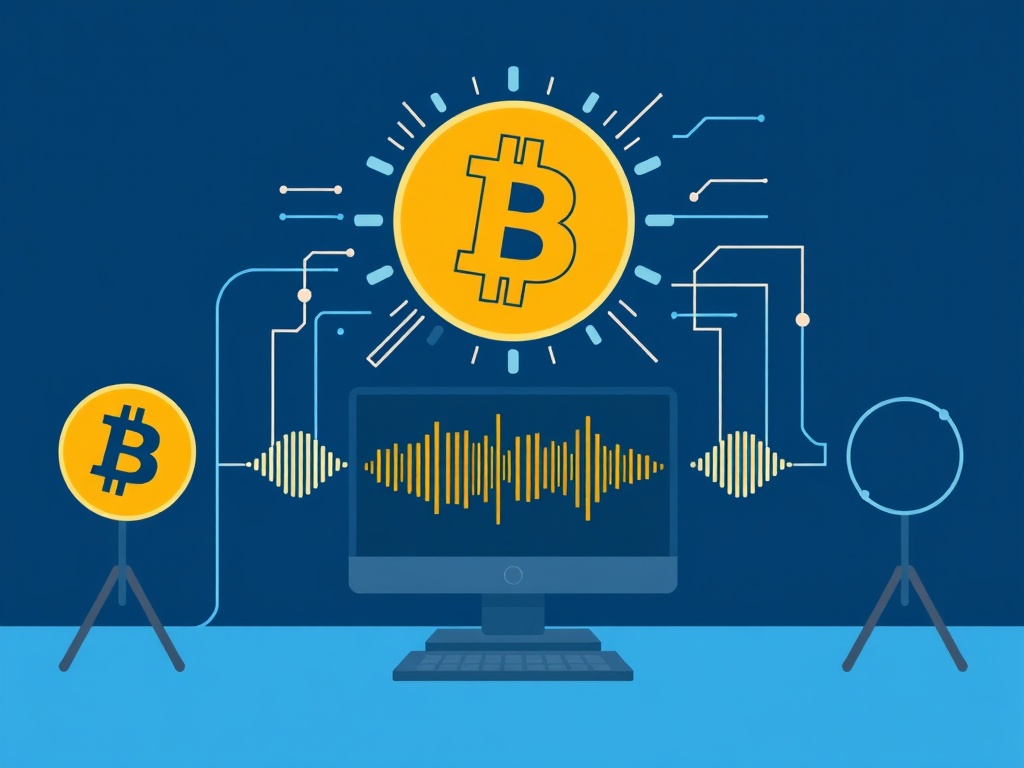
Deanonymization Techniques Used in BTC Mixers: Understanding the Risks and Methods
In the world of cryptocurrency, privacy is a critical concern for users who seek to protect their financial activities from prying eyes. BTC mixers, also known as tumblers, are tools designed to obscure the origin of Bitcoin transactions by mixing them with others. However, as the demand for anonymity grows, so does the sophistication of deanonymization techniques used to trace transactions. These methods, often employed by law enforcement, cybercriminals, or even curious individuals, can compromise the privacy of users who rely on BTC mixers. This article explores the deanonymization techniques used in the BTC mixer niche, shedding light on how they work, their implications, and how users can mitigate risks.
What Are BTC Mixers and Why Are They Targeted?
BTC mixers are services that allow users to send Bitcoin to a pool, where it is combined with other transactions before being redistributed. This process makes it difficult to trace the original source of the funds. However, the very nature of these services makes them attractive targets for deanonymization techniques. Authorities and malicious actors alike seek to unravel the anonymity provided by mixers to identify illicit activities, such as money laundering or ransom payments.
Deanonymization techniques used in this context often involve analyzing blockchain data, exploiting vulnerabilities in mixer operations, or leveraging external data sources. Understanding these methods is essential for users who want to protect their privacy and for developers aiming to build more secure mixing services.
Common Deanonymization Techniques Used in BTC Mixers
IP Address Tracking and Network Analysis
One of the most straightforward deanonymization techniques used in BTC mixers involves tracking the IP addresses of users who interact with the service. While Bitcoin transactions themselves do not contain IP information, the software or devices used to access the mixer can leave digital footprints. For example, if a user connects to a mixer via a public Wi-Fi network or a device with a known IP address, investigators can trace the transaction back to that location.
Advanced network analysis tools can also map the flow of transactions between mixers and other nodes in the Bitcoin network. By identifying patterns in how funds move, analysts can infer the origin of a transaction. This is particularly effective when a mixer has a limited number of users or operates with predictable behavior.
Blockchain Analysis and Transaction Correlation
Blockchain analysis is a cornerstone of deanonymization techniques used in BTC mixers. Every Bitcoin transaction is recorded on the public ledger, and analysts can use specialized software to trace the movement of funds. When a user sends Bitcoin to a mixer, the service typically generates a new address for the output. However, if the mixer’s output addresses are linked to known entities or if the same address is reused, the transaction can be traced.
Transaction correlation involves cross-referencing multiple transactions to identify patterns. For instance, if a user sends Bitcoin to a mixer and then immediately sends it to a known exchange, investigators can connect the dots. This technique is often used in conjunction with other methods to build a comprehensive profile of a user’s activity.
Timing and Behavioral Analysis
Timing and behavioral analysis are deanonymization techniques used to exploit the predictable patterns of user activity. For example, if a user consistently sends Bitcoin to a mixer at the same time each day, analysts can use this information to narrow down the possible identities of the sender. Similarly, the size and frequency of transactions can reveal clues about the user’s behavior.
Mixers that use fixed intervals or predictable transaction sizes are more vulnerable to these techniques. To counter this, some mixers employ randomized delays and variable transaction amounts to obscure user behavior. However, even these measures are not foolproof, as determined analysts can still find ways to correlate data over time.
Advanced Methods and Emerging Threats
Machine Learning and AI-Driven Analysis
As technology advances, so do the deanonymization techniques used in BTC mixers. Machine learning algorithms can now process vast amounts of blockchain data to identify patterns that are invisible to the human eye. These systems can detect anomalies, such as unusual transaction volumes or repeated use of specific addresses, which may indicate an attempt to launder money.
AI-driven tools can also simulate the behavior of legitimate users to create more accurate models of transaction flows. By comparing real transactions to these models, investigators can pinpoint suspicious activity with greater precision. This level of sophistication makes it increasingly difficult for users to remain anonymous, even when using advanced mixers.
Collaboration with Exchanges and Financial Institutions
Another deanonymization technique involves collaboration between mixers and third-party services like cryptocurrency exchanges. If a mixer’s output addresses are linked to an exchange, investigators can trace the funds back to the original user. This is particularly effective when the exchange has KYC (Know Your Customer) policies in place, which require users to provide personal information.
Some mixers attempt to mitigate this risk by using decentralized exchanges or non-custodial services. However, even these methods are not entirely secure, as exchanges can still be compelled to share data with authorities under legal pressure. The interplay between mixers and exchanges highlights the challenges of maintaining privacy in the cryptocurrency ecosystem.
Legal and Ethical Implications of Deanonymization Techniques
Regulatory Scrutiny and Compliance Challenges
The use of deanonymization techniques in BTC mixers has raised significant legal and ethical concerns. Governments around the world are increasingly cracking down on cryptocurrency services that facilitate anonymity, citing the need to combat money laundering and terrorism financing. As a result, many mixers have been forced to implement stricter compliance measures, such as requiring user verification or limiting transaction sizes.
However, these measures often conflict with the core principles of privacy that attract users to BTC mixers in the first place. The tension between regulatory requirements and user privacy remains a contentious issue, with debates ongoing about the appropriate balance between security and freedom.
Ethical Dilemmas for Developers and Users
Developers of BTC mixers face ethical dilemmas when designing deanonymization-resistant systems. While their goal is to protect user privacy, they must also navigate the legal landscape and avoid enabling illicit activities. This requires a careful balance between innovation and compliance, as well as transparency about the limitations of their services.
Users, on the other hand, must weigh the benefits of anonymity against the risks of being targeted by deanonymization techniques. Some may choose to use mixers with stronger privacy features, while others may opt for alternative methods of transaction obfuscation. The ethical implications of these choices are complex and often depend on individual circumstances.
How to Protect Yourself from Deanonymization Techniques
Using Privacy-Focused Mixers and Tools
One of the most effective ways to counter deanonymization techniques used in BTC mixers is to choose services that prioritize privacy. Look for mixers that employ advanced obfuscation methods, such as multi-hop transactions or randomized delays. Additionally, consider using tools like Tor or VPNs to mask your IP address when interacting with mixers.
It’s also important to avoid reusing addresses and to use different mixers for different transactions. This reduces the likelihood of creating a traceable pattern that can be exploited by analysts. By diversifying your approach, you can make it significantly harder for deanonymization techniques to succeed.
Staying Informed and Adapting to New Threats
The landscape of deanonymization techniques used in BTC mixers is constantly evolving, so staying informed is crucial. Follow reputable sources in the cryptocurrency community to learn about new threats and countermeasures. Participate in forums and discussions where users share tips on maintaining privacy and avoiding detection.
Regularly update your software and hardware to patch vulnerabilities that could be exploited by deanonymization tools. For example, ensure that your wallet and mixer software are up to date, and avoid using outdated or insecure protocols. By taking proactive steps, you can reduce the risk of being targeted by these techniques.
Conclusion: Navigating the Complexities of BTC Mixer Privacy
Deanonymization techniques used in BTC mixers represent a significant challenge for users seeking privacy in the cryptocurrency space. From IP address tracking to machine learning-driven analysis, these methods can compromise the anonymity that mixers are designed to provide. However, by understanding these techniques and adopting best practices, users can better protect themselves from potential threats.
As the cryptocurrency ecosystem continues to evolve, the balance between privacy and regulation will remain a critical issue. Whether you are a user, developer, or regulator, staying informed about deanonymization techniques used in BTC mixers is essential for navigating this complex and dynamic environment. By prioritizing security and transparency, the community can work toward a future where privacy and compliance coexist.

Deanonymization Techniques Used: Unveiling the Hidden Layers of On-Chain Analysis
As a Digital Assets Strategist with a background in quantitative analysis and cryptocurrency markets, I’ve observed that deanonymization techniques used in blockchain forensics are critical for decoding the pseudonymous nature of digital asset transactions. While blockchain technology offers transparency through its immutable ledger, the lack of direct identity linkage to addresses creates challenges for market surveillance, regulatory compliance, and risk management. My expertise in on-chain analytics has shown that advanced deanonymization methods—such as clustering algorithms, transaction graph analysis, and behavioral pattern recognition—are indispensable for mapping the flow of capital and identifying key market participants. These techniques enable institutions to trace whale movements, detect exchange inflows/outflows, and assess liquidity dynamics, all of which are vital for informed decision-making in volatile markets.
One of the most effective deanonymization techniques used today involves leveraging machine learning models to cluster addresses based on transactional behavior. By analyzing patterns such as transaction frequency, timing, and interaction with known entities (e.g., exchanges or custodians), these models can group addresses into cohorts with high probability of belonging to the same actor. For instance, repeated large transfers to a specific exchange address may indicate a whale’s activity, while sudden shifts in spending habits could signal portfolio rebalancing. Additionally, cross-referencing on-chain data with off-chain information—such as KYC records from regulated platforms—enhances the accuracy of these identifications. However, the cat-and-mouse game between privacy advocates and analysts means that deanonymization is an evolving field, requiring continuous adaptation to emerging obfuscation tactics like coin mixing or multi-hop transactions.
From a practical standpoint, the deanonymization techniques used today are not just academic exercises—they have real-world implications for market stability and regulatory oversight. For example, during periods of extreme volatility, understanding the concentration of holdings among a few addresses can help predict market-moving events, such as sudden sell-offs or large institutional purchases. Regulators also rely on these methods to enforce anti-money laundering (AML) protocols and ensure compliance with evolving global standards. As a strategist, I emphasize that while deanonymization unlocks valuable insights, it must be applied responsibly to balance transparency with user privacy. The future of on-chain analytics lies in refining these techniques to stay ahead of both market manipulation risks and the ethical dilemmas they entail, ensuring a more secure and efficient digital asset ecosystem.