
Censorship-Resistant Payments: The Future of Financial Freedom
Censorship-Resistant Payments: The Future of Financial Freedom
In an increasingly interconnected world, the ability to conduct financial transactions without interference has become a critical concern for individuals and businesses alike. Censorship-resistant payments represent a revolutionary approach to financial transactions that cannot be blocked, reversed, or controlled by any central authority. This comprehensive guide explores the technology, benefits, and implications of censorship-resistant payments in today's digital economy.
What Are Censorship-Resistant Payments?
Censorship-resistant payments refer to financial transactions that cannot be blocked, frozen, or reversed by governments, financial institutions, or other intermediaries. These payment systems operate on decentralized networks that distribute control across multiple nodes, making it virtually impossible for any single entity to prevent or manipulate transactions.
Key Characteristics of Censorship-Resistant Payments
- Decentralization: No single point of control or failure
- Immutability: Transactions cannot be altered once confirmed
- Permissionless: Anyone can participate without approval
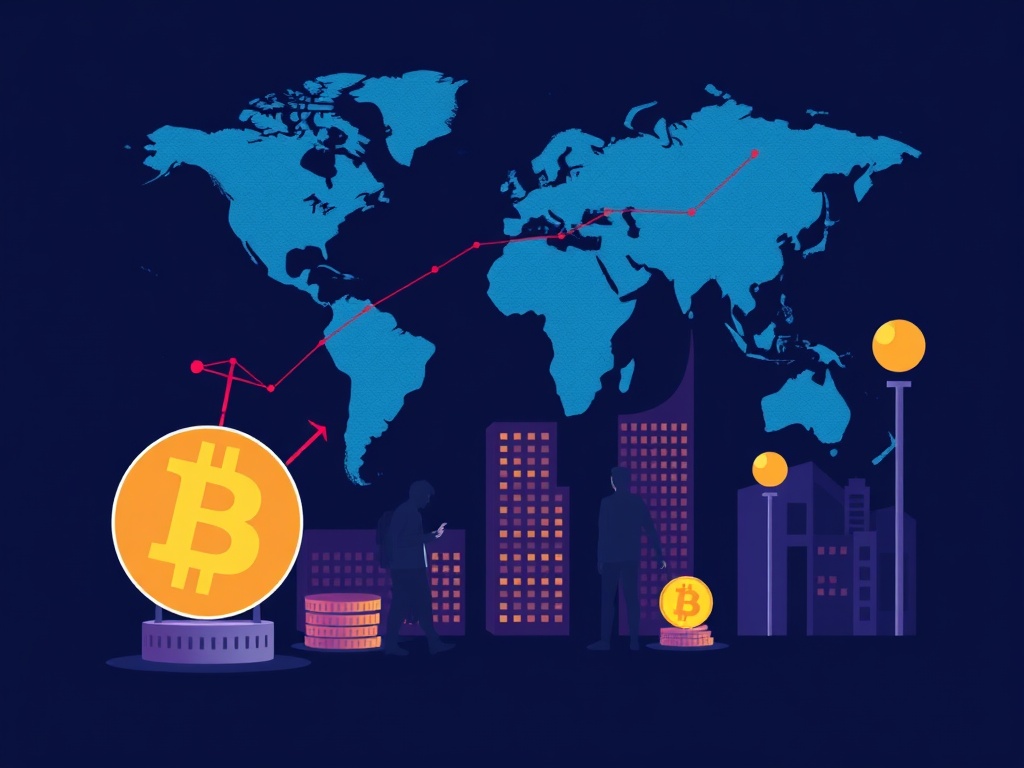
- Borderless: Operates across geographical boundaries
- Privacy: Enhanced financial privacy for users
The Technology Behind Censorship-Resistant Payments
The foundation of censorship-resistant payments lies in blockchain technology and cryptographic principles. These technologies work together to create a secure, transparent, and tamper-proof system for conducting financial transactions.
Blockchain Technology
Blockchain serves as the underlying infrastructure for most censorship-resistant payment systems. This distributed ledger technology records all transactions across a network of computers, ensuring that no single entity can control or manipulate the data. Each block contains a cryptographic hash of the previous block, creating an unbreakable chain of transaction history.
Cryptographic Security
Advanced cryptographic techniques protect censorship-resistant payments from unauthorized access and manipulation. Public-key cryptography enables users to control their funds without relying on third parties, while hash functions ensure data integrity throughout the transaction process.
Benefits of Censorship-Resistant Payments
The adoption of censorship-resistant payments offers numerous advantages for individuals, businesses, and society as a whole. These benefits extend beyond simple financial transactions to encompass broader issues of freedom, privacy, and economic empowerment.
Financial Sovereignty
Censorship-resistant payments give individuals complete control over their financial assets. Users can send and receive funds without requiring permission from banks, governments, or other intermediaries. This financial sovereignty is particularly valuable in regions with unstable currencies or restrictive financial regulations.
Protection Against Asset Seizure
Traditional bank accounts and financial assets can be frozen or seized by authorities with relative ease. Censorship-resistant payments provide a safeguard against such actions, as funds stored in decentralized systems cannot be accessed without the owner's private keys.
Global Accessibility
Anyone with an internet connection can participate in censorship-resistant payment systems, regardless of their location or economic status. This accessibility opens up new opportunities for financial inclusion and economic participation in underserved regions.
Real-World Applications of Censorship-Resistant Payments
Censorship-resistant payments are already being used in various practical applications, demonstrating their potential to transform the financial landscape. From individual transactions to large-scale business operations, these payment systems offer solutions to many traditional financial challenges.
Remittances and Cross-Border Transactions
Traditional remittance services often charge high fees and can take days to process international transfers. Censorship-resistant payments enable near-instantaneous, low-cost cross-border transactions, making them ideal for remittances and international business payments.
E-commerce and Online Services
Online merchants can accept censorship-resistant payments to avoid chargebacks, reduce transaction fees, and reach customers in regions with limited banking infrastructure. This payment method also protects businesses from payment processor censorship or account freezes.
Humanitarian Aid and Donations
Censorship-resistant payments provide a secure way to deliver humanitarian aid to regions affected by political instability or economic sanctions. Donors can ensure their contributions reach intended recipients without interference from intermediaries or authorities.
Challenges and Considerations
While censorship-resistant payments offer significant advantages, they also present certain challenges and considerations that users and businesses must understand before adoption.
Regulatory Uncertainty
The regulatory landscape for censorship-resistant payments remains unclear in many jurisdictions. Users and businesses must navigate complex and evolving regulations that may impact the legality and practicality of these payment systems.
Technical Complexity
Using censorship-resistant payment systems often requires a certain level of technical knowledge. Users must understand concepts like private keys, wallet security, and transaction fees to effectively utilize these systems.
Price Volatility
Many censorship-resistant payment systems use cryptocurrencies that can experience significant price fluctuations. This volatility can create challenges for pricing, accounting, and financial planning.
Best Practices for Using Censorship-Resistant Payments
To maximize the benefits of censorship-resistant payments while minimizing risks, users should follow established best practices and security measures.
Security Measures
- Use hardware wallets for storing large amounts of cryptocurrency
- Enable two-factor authentication on all accounts
- Keep software and firmware updated
- Use strong, unique passwords for all accounts
- Regularly back up wallet information
Privacy Considerations
While censorship-resistant payments offer enhanced privacy compared to traditional financial systems, users should still take additional steps to protect their financial privacy. This includes using privacy-focused cryptocurrencies, mixing services, and avoiding address reuse.
The Future of Censorship-Resistant Payments
The evolution of censorship-resistant payments continues to accelerate, with new technologies and applications emerging regularly. Several trends are likely to shape the future development of these payment systems.
Layer 2 Solutions
Layer 2 scaling solutions are being developed to address the transaction speed and cost limitations of current censorship-resistant payment systems. These solutions promise to make censorship-resistant payments more practical for everyday use.
Interoperability
Efforts to improve interoperability between different censorship-resistant payment systems are underway. This development will enable seamless transactions across various platforms and protocols.
Institutional Adoption
As regulatory clarity improves and technology matures, more institutions are likely to adopt censorship-resistant payment systems. This institutional adoption could drive mainstream acceptance and integration with traditional financial infrastructure.
Conclusion
Censorship-resistant payments represent a fundamental shift in how we think about and conduct financial transactions. By providing a secure, decentralized alternative to traditional payment systems, these technologies offer unprecedented financial freedom and privacy. While challenges remain, the continued development and adoption of censorship-resistant payments suggest a future where individuals have greater control over their financial lives.
As this technology continues to evolve, understanding and embracing censorship-resistant payments may become increasingly important for anyone seeking financial autonomy in the digital age. Whether for personal use, business operations, or humanitarian efforts, censorship-resistant payments offer a powerful tool for conducting transactions without interference or control from centralized authorities.

Censorship-Resistant Payments: A Critical Analysis
As a Senior Crypto Market Analyst with over a decade of experience in digital asset analysis, I've observed the evolution of censorship-resistant payments from a theoretical concept to a practical necessity in our increasingly digital economy. These payment systems, which operate on decentralized networks like Bitcoin and Ethereum, offer users the ability to transact without interference from governments, financial institutions, or other centralized authorities. The core value proposition lies in their ability to provide financial sovereignty, particularly in regions where traditional banking systems are unreliable or where political instability threatens access to funds.
However, the implementation of censorship-resistant payments comes with significant trade-offs that must be carefully considered. While these systems offer unprecedented freedom, they also present challenges in terms of regulatory compliance, transaction speed, and scalability. From my analysis of institutional adoption trends, I've noted that major financial players are increasingly interested in blockchain technology, but they often seek permissioned or hybrid solutions that balance resistance to censorship with regulatory requirements. The key to widespread adoption will be developing infrastructure that maintains the core benefits of censorship resistance while addressing legitimate concerns around security, compliance, and user protection.