Anonymous Social Trading: A New Era in BTCMixer and Decentralized Finance
Anonymous Social Trading: A New Era in BTCMixer and Decentralized Finance
In the rapidly evolving landscape of digital finance, anonymous social trading has emerged as a transformative concept, particularly within platforms like BTCMixer. This approach allows users to engage in trading activities without revealing their identities, leveraging the power of social networks and decentralized systems. As cryptocurrency markets grow more complex, the demand for privacy and security has driven the adoption of anonymous social trading. This article explores the mechanics, benefits, and challenges of this practice, with a focus on its integration into BTCMixer and its broader implications for decentralized finance.
What is Anonymous Social Trading?
The Concept of Anonymity in Trading
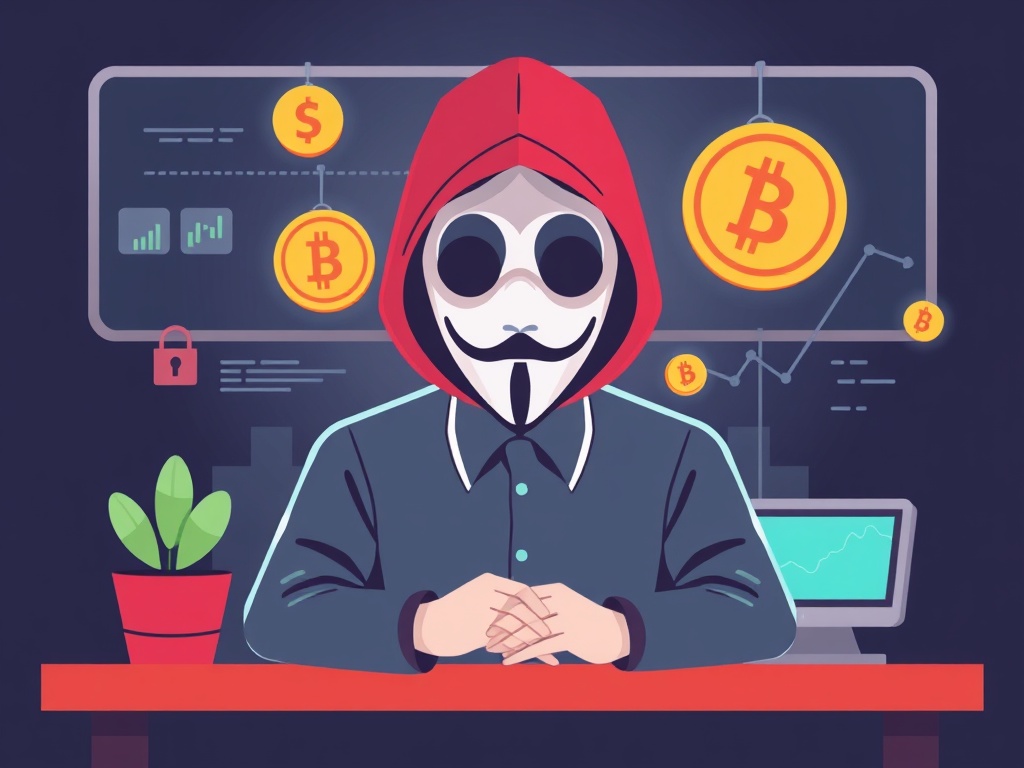
Anonymous social trading refers to the practice of participating in financial markets—particularly cryptocurrency trading—without disclosing personal information. This anonymity is achieved through encrypted platforms and decentralized networks, which mask user identities while enabling them to share trading strategies, insights, and performance data. Unlike traditional trading, where transparency is often a priority, anonymous social trading prioritizes privacy, allowing users to interact without fear of judgment or exposure.
One of the key advantages of this model is its ability to foster a more inclusive environment. Traders who may be hesitant to share their identities due to security concerns or social stigma can still benefit from collective knowledge. For instance, a user on BTCMixer might follow a successful trader’s strategies without revealing their own details, creating a symbiotic relationship between participants.
How Social Trading Works in a Decentralized Environment
Social trading in a decentralized context relies on blockchain technology and peer-to-peer (P2P) networks. Platforms like BTCMixer facilitate this by allowing users to connect, share trading signals, and execute trades without a central authority. The process typically involves the following steps:
- User Registration: Users create accounts with minimal personal information, often using pseudonyms or encrypted identifiers.
- Strategy Sharing: Successful traders publish their strategies, which others can follow or replicate.
- Automated Execution: Trades are executed based on predefined rules or signals, often through smart contracts or automated bots.
- Performance Tracking: Users can monitor the success of shared strategies without knowing the trader’s identity.
This decentralized approach reduces the risk of fraud and manipulation, as there is no single point of control. However, it also introduces challenges, such as the potential for misinformation or unethical behavior, which we will explore in the next section.
The Role of BTCMixer in Anonymous Social Trading
BTCMixer’s Platform Features
BTCMixer is a platform that has embraced the principles of anonymous social trading by integrating features designed to protect user privacy while enabling collaborative trading. Key features include:
- Encrypted Communication: All interactions on BTCMixer are secured through end-to-end encryption, ensuring that user data remains confidential.
- Pseudonymous Trading: Users can trade under pseudonyms, eliminating the need to share real-world identities.
- Smart Contract Integration: Smart contracts automate trades based on predefined conditions, reducing the need for manual oversight.
- Community-Driven Insights: The platform hosts forums and discussion boards where users can share strategies without revealing their identities.
These features make BTCMixer an ideal environment for anonymous social trading. By prioritizing privacy, the platform attracts users who value discretion, particularly in a market where security breaches are common. However, the effectiveness of these features depends on the platform’s ability to maintain trust among its users.
Security and Privacy in BTCMixer
Security is a cornerstone of anonymous social trading, and BTCMixer has implemented robust measures to safeguard user data. The platform uses advanced cryptographic techniques to protect transactions and user information. Additionally, BTCMixer does not store personal data on its servers, further enhancing privacy.
Despite these efforts, no system is entirely immune to risks. For example, if a user’s pseudonym is linked to their real identity through external means, their anonymity could be compromised. This highlights the importance of user education in maintaining privacy. BTCMixer provides resources to help users understand best practices for securing their accounts, such as using strong passwords and avoiding phishing attempts.
Benefits and Risks of Anonymous Social Trading
Advantages of Anonymity
The primary benefit of anonymous social trading is the protection it offers to users. By concealing their identities, traders can avoid the risks associated with public exposure, such as targeted scams or reputational damage. This is particularly valuable in the cryptocurrency space, where market volatility can lead to sudden losses.
Another advantage is the ability to learn from others without fear of judgment. In traditional trading environments, sharing strategies might invite criticism or skepticism. In contrast, anonymous social trading allows users to experiment with different approaches and receive feedback in a more neutral setting. For instance, a novice trader on BTCMixer can follow a seasoned trader’s signals without worrying about their personal background.
Additionally, anonymity can encourage participation from a broader audience. Individuals who may be hesitant to engage in public trading due to privacy concerns can still contribute to or benefit from social trading communities. This inclusivity can lead to a more diverse range of strategies and insights, enriching the overall trading ecosystem.
Potential Risks and Challenges
While anonymous social trading offers numerous benefits, it also comes with significant risks. One of the most pressing concerns is the potential for fraud. Without the ability to verify a trader’s identity, users may unknowingly follow malicious actors who manipulate markets or share false information. This is particularly relevant in platforms like BTCMixer, where the anonymity of users can be exploited.
Another challenge is the lack of accountability. In traditional trading, traders are often held responsible for their actions. In anonymous social trading, however, it can be difficult to trace the source of a strategy or hold individuals accountable for losses. This can lead to a culture of misinformation, where users may share unverified or harmful advice without consequences.
Additionally, regulatory issues pose a challenge. Many jurisdictions have strict regulations around financial transactions, and anonymous trading may fall into a gray area. Platforms like BTCMixer must navigate these regulations carefully to avoid legal repercussions while maintaining user privacy.
Comparing Anonymous Social Trading with Traditional Methods
Key Differences in Transparency
One of the most significant differences between anonymous social trading and traditional methods is the level of transparency. Traditional trading often requires full disclosure of information, including the trader’s identity, financial history, and strategies. This transparency can build trust but also exposes users to risks such as identity theft or market manipulation.
In contrast, anonymous social trading prioritizes privacy over transparency. While this can protect users from certain risks, it also makes it harder to verify the credibility of shared strategies. For example, a trader on BTCMixer might claim to have a high success rate, but without a way to confirm their identity, others cannot be sure of their reliability.
This trade-off between privacy and transparency is a key consideration for users. Those who value security and discretion may prefer anonymous social trading, while others may opt for traditional methods where accountability is clearer.
User Experience and Accessibility
Anonymous social trading can enhance user experience by reducing the barriers to entry. In traditional trading, users may need to go through lengthy verification processes or share sensitive information, which can be intimidating. Anonymous platforms like BTCMixer streamline this process, allowing users to start trading with minimal friction.
However, this ease of access can also lead to challenges. For instance, the lack of identity verification may attract users who are not fully informed about the risks involved. This can result in a higher incidence of scams or poor trading decisions. To mitigate this, platforms must invest in education and community moderation to ensure users make informed choices.
Another aspect of user experience is the social component. Traditional trading often involves direct interaction with other traders, which can be both beneficial and stressful. Anonymous social trading, on the other hand, allows users to engage in a more detached manner, which can be less intimidating for some. However, this detachment may also reduce the sense of community that some traders value.
The Future of Anonymous Social Trading in BTCMixer
Technological Advancements
The future of anonymous social trading is closely tied to technological advancements. As blockchain technology continues to evolve, platforms like BTCMixer can leverage new tools to enhance privacy and security. For example, the development of zero-knowledge proofs could allow users to prove the validity of their trading strategies without revealing any personal information.
Additionally, the integration of artificial intelligence (AI) could revolutionize anonymous social trading. AI algorithms could analyze trading patterns and provide real-time insights, helping users make better decisions without needing to share their identities. This could further democratize access to advanced trading strategies, making them available to a wider audience.
Another area of growth is the use of decentralized finance (DeFi) protocols. These protocols operate without central authorities, aligning well with the principles of anonymous social trading. By integrating DeFi into platforms like BTCMixer, users could participate in trading activities with even greater privacy and autonomy.
Regulatory Considerations
As anonymous social trading gains popularity, regulatory bodies are likely to pay closer attention. Governments and financial authorities are increasingly focused on ensuring that cryptocurrency platforms comply with anti-money laundering (AML) and know-your-customer (KYC) regulations. This could pose a challenge for platforms that prioritize anonymity, as they may need to implement some form of identity verification to meet legal requirements.
However, this does not necessarily mean the end of anonymous social trading. Instead, it may lead to the development of hybrid models that balance privacy with regulatory compliance. For example, BTCMixer could explore ways to anonymize user data while still meeting regulatory standards. This could involve using advanced encryption techniques or decentralized identity solutions that allow users to maintain privacy while proving their compliance.
Ultimately, the future of anonymous social trading will depend on how well platforms like BTCMixer can navigate these regulatory challenges. By staying ahead of legal developments and investing in secure technologies, they can continue to offer a safe and private environment for traders.
In conclusion, anonymous social trading represents a significant shift in how people engage with financial markets. Platforms like BTCMixer are at the forefront of this movement, offering users the opportunity to trade with privacy and security. While there are risks and challenges to consider, the potential benefits make it a compelling option for those seeking a more discreet and inclusive trading experience. As technology and regulations evolve, the landscape of anonymous social trading is likely to become even more sophisticated, opening up new possibilities for users around the world.

The Rise of Anonymous Social Trading: How Blockchain is Reshaping Peer-to-Peer Investment
As someone who has spent the last eight years immersed in distributed ledger technology, I’ve observed how blockchain is fundamentally altering the way people interact with financial systems. Anonymous social trading, a concept that combines the principles of social trading with the privacy afforded by blockchain, represents a significant shift in how individuals can engage in investment activities without revealing their identities. This model leverages smart contracts to automate trades based on shared strategies or signals, while maintaining user anonymity through cryptographic techniques. From a technical standpoint, the appeal lies in its ability to reduce counterparty risk and eliminate the need for centralized intermediaries. However, it’s not without challenges. The very anonymity that attracts users also creates opportunities for malicious actors, making smart contract security and tokenomics design critical to its viability. I believe this space has the potential to democratize access to investment strategies, but it requires careful balancing of privacy and accountability to ensure long-term trust.
Practically, anonymous social trading could empower retail investors who might otherwise be hesitant to participate due to privacy concerns or lack of expertise. For instance, a user could follow a trader’s strategy without disclosing their own financial details, relying instead on transparent, on-chain data to make informed decisions. This aligns with my focus on cross-chain interoperability, as such platforms could integrate with multiple blockchains to enhance liquidity and reduce reliance on a single ecosystem. However, the success of this model hinges on robust governance frameworks. Without clear mechanisms to address disputes or fraud, the anonymity could become a double-edged sword. I’ve seen similar issues in decentralized finance (DeFi) where unregulated anonymity led to significant losses. Therefore, while the technical foundations are strong, the real test will be in how communities and regulators adapt to this new paradigm. It’s a delicate dance between innovation and risk management, and I remain cautiously optimistic about its potential if approached with the right safeguards.